A lot of people think of ‘home’ differently now. It is no longer thought of as a place to sleep between commutes, but somewhere where you work some days, where the kids play safely, where you try to squeeze in a workout, and where you would love to feel like you are getting at least a taste of vacation.
This is the itch resort-style communities are trying to scratch. It is why they are showing up in more real estate searches, brochures, and wish lists than ever before. At their best, these communities manage to build pools, clubhouses, trails, and social spaces. But they also like to indulge in neighbourhoods and not theme parks. Buyers think of these communities as desirable, and not just marketing concepts.
What “Resort-Style” Living Means
“Resort-style” does not have one rigid definition, but people recognize it as soon as they peek. Typically, it means a community where amenities are shared, there are green spaces and walkable paths, and a layout of social spaces and landscapes. Every feature is designed for a relaxed pace of life.
Resort-style communities can be said to be an idea borrowed from actual vacation resorts. But, in the place of planting a pool somewhere, they create an amenity hub, like a clubhouse with a lounge, or a party room, or a gym. The pools are further extended, having more than one “zone”. For example, lap lanes, shallow areas for kids, and maybe a quiet space for adults.
Why So Many People Want This Lifestyle Now
If you are wondering why resort-style communities are hyped now, maybe it has something to do with how people live and what they value presently. With remote work rising, people are spending more of their time in a neighbourhood that is engaging. They are further focused on wellness, sparing their precious time for walking trails and fitness centers.
Neighbours gather around clubhouses, events, and shared amenities, and buyers are firm believers that this matters for families with kids, single professionals, and retirees. National surveys frequently show that buyers need both the closer distance to conveniences and amenities. Resort-style communities promise to deliver both.
Top Markets and Communities Showcasing Resort-Style Amenities
Resort-style neighbourhoods are spread across the US, but there are certain types of markets that highlight the trend very well.
- Lake-and-Master-Planned Communities
One of the most classic expressions of master-planned communities is around lakes. Harmony on the Lakes in Canton, Georgia, is a true master-planned neighbourhood anchored by a 38-acre lake, waterfalls, and streams. There are trails and amenities laid out around the water.
You would be fascinated when you see the residents jog along the scenic trails, spend an afternoon in a kid-friendly zone, launch a canoe or kayak, and simply enjoy the view from a bench or gazebo. If you want to see what the real homes and floor plans look like, exploring the current home listings can be your first move.
- Sunbelt Suburban Resort-Style Communities
Beyond the lake communities, there are also fast-growing suburbs in the Sunbelt, particularly in states like Florida, Texas, Arizona, and the Carolinas. These neighbourhoods have embraced resort-style planning. They come with large, central amenity centers, pickleball, and tennis courts, or even multi-purpose fields.
There are further carefully landscaped entries, medians, and pocket parks that make the environment feel lush. The climate is favourable for outdoor living almost all year round. Lakewood Ranch and Babcock Ranch are gaining popularity in layering trails, parks, and resort-style clubhouses.
Harmony on the Lake shares the same DNA and fits into that broader Sunbelt story as well, even though it is in North Georgia rather than Florida.
- Active-Adult and Lifestyle Communities
Resort-style living has also become a dominant theme in active-adult and 55+ communities. Developers know that many retirees and near-retirees, for sure, do not want to have an isolated existence. So, they target these communities where the calendar says yoga on Tuesday, pickleball on Wednesday, and a concert at the clubhouse on Friday.
The built-in environment in these communities speaks to that, with green spaces and amenities designed for frequent use rather than occasional novelty. Harmony on the Lakes is also not age-restricted, if you make a comparison. It gives out a similar structure where life revolves around social interaction, recreation, and nature are never far from the front door.
Factors to Consider When Touring Resort-Style Neighborhoods
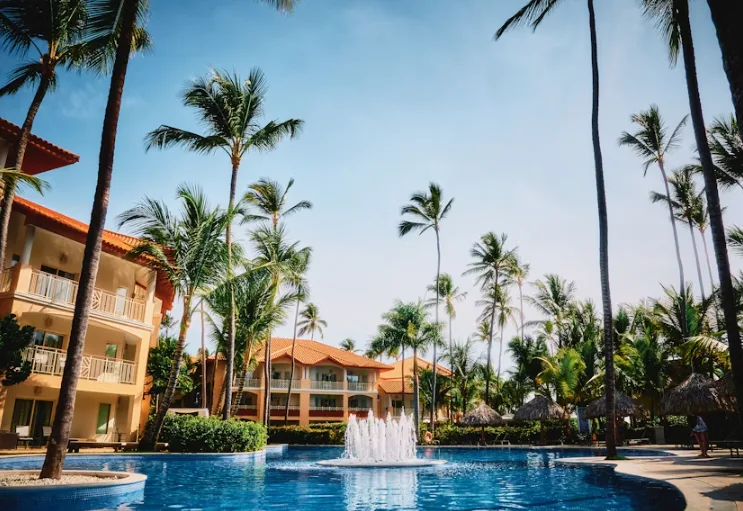
Beyond the initial “wow” factor, you should ask some practical questions that will help you fall for the facade. Look for signs that prove the amenities are truly usable and not for show. Are people in these communities walking the paths? Do the event calendars posted on bulletin boards? Are there towels on deck chairs?
You should also pay attention to how the community is maintaining the green spaces. But apart from it, does the layout support daily convenience? Are the schools in the zones good, groceries nearby, and are the commute routes manageable? Make sure to also consider the HOA rules and fees, and most importantly, the vibe that matches your life stage.
A few of the buyers have not felt at home when the neighbourhoods skew younger and family-oriented homes. Others also tend to prefer empty-nesters and retirees. We recommend that you walk and drive through these communities and just soak in their vibe to sense their rhythm. Make a decision afterwards.
The Final Verdict
As the resort-style amenities boom across the country, it speaks to a deeper shift in what people truly expect from home today. It speaks that people want more than houses and driveways; they want a place where stepping outside gives them a purpose, a ground to walk, and a platform to meet people. The pools, clubhouses, and trails are woven into their daily lives.
When you look into communities like Harmony on the Lakes in Caton, it becomes more evident that these models are possible when it is made thoughtfully. The lakes are not necessarily an afterthought; they are made to organize the principle.