Why ADUs Are Gaining Popularity in Woodland Hills
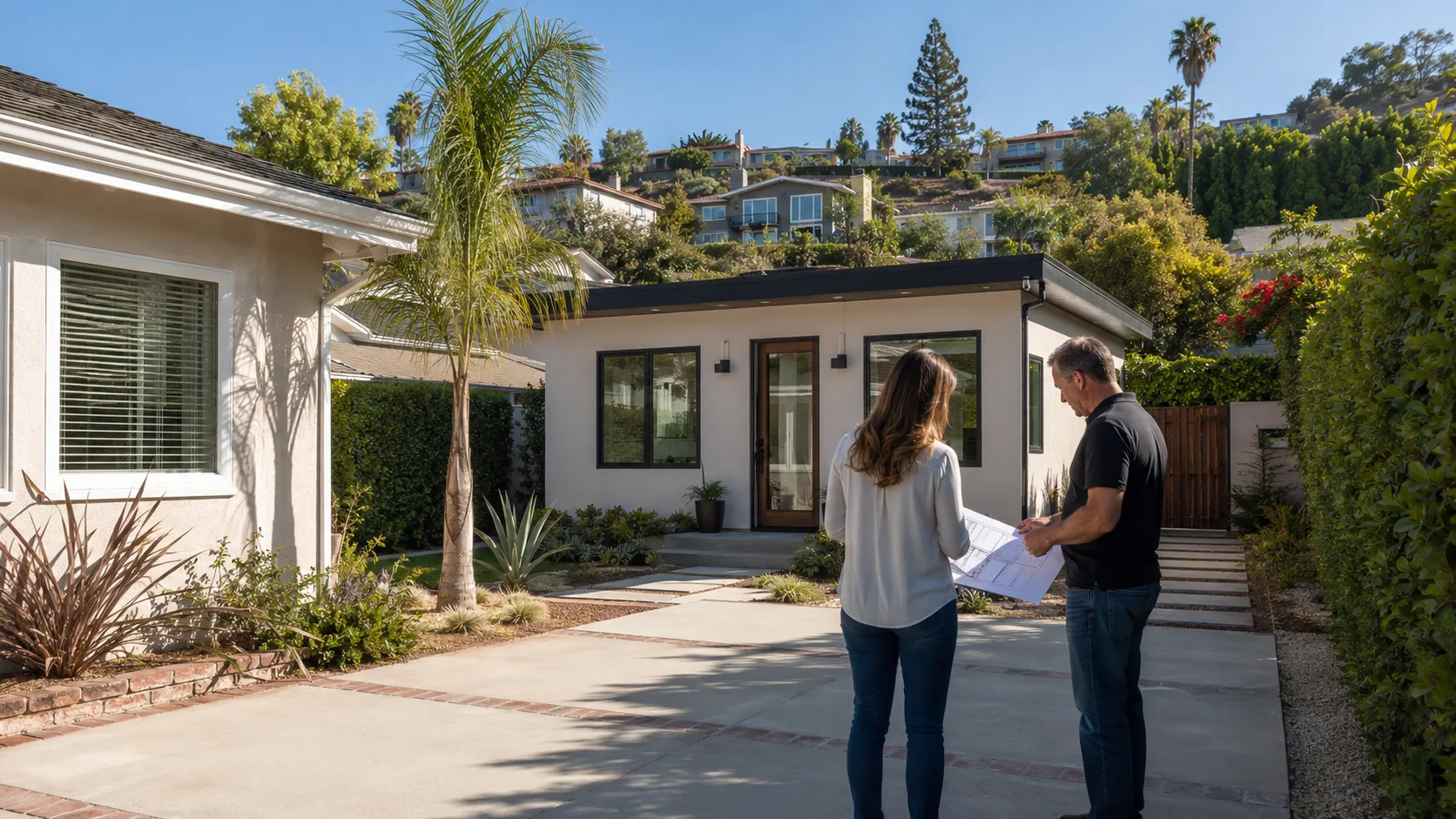
More and more homeowners in the San Fernando Valley are considering accessory dwelling units as a way to increase property value, boost rental income, and create flexible living space. If you’re planning a construction project adu woodland hills, understanding local regulations, design options, and construction realities is crucial for a successful outcome. Proper planning minimizes delays, keeps costs under control, and ensures that the new space blends seamlessly with your property and the surrounding neighborhood.
Key Considerations Before Starting Construction
Zoning and Permits
Woodland Hills is subject to Los Angeles County and city zoning regulations that affect the size, location, parking requirements, and utility connections of your project. Consulting with planning officials or an experienced builder early on will help identify restrictions, such as setback requirements and building area limits, and determine whether your property qualifies for “junior” or full-scale ADU status.
Design and Functionality
Your choice of design determines how well the ADU aligns with your goals—whether that’s long-term rental income, housing for family members, or a home office. Consider aspects such as privacy, natural light, storage space, and ease of access. A well-thought-out layout maximizes usable space while maintaining an open floor plan and the home’s curb appeal.
Construction and Budgeting
Costs depend on the size, finishes, and complexity of the site. Sloped lots, existing sewer systems, or complex utility connections increase costs. A clear budget should include expenses for design, permits, environmental impact fees, utility connections, landscaping, and a contingency fund for unforeseen expenses.
Financing and Return on Investment
Financing options include real estate-backed loans, construction loans, and specialized lenders. Compare projected rental income with loan payments and maintenance costs to calculate the return on investment. Incentives or local programs may be available to support the construction of affordable housing.
Choosing a Contractor
Select a contractor with construction experience, transparent pricing, and a portfolio of completed projects. Verify their licenses, insurance, and client reviews. A reliable team will handle permit applications, inspections, and coordination with subcontractors, while keeping you informed at every stage.
A Practical Checklist for Successful Project Implementation
- Clarify zoning and permitting requirements with local planning authorities.
- Define clear project goals (rental, family use, office) and a realistic budget.
- Hire an architect or designer with experience to create effective floor plans.
- Get multiple bids from contractors and thoroughly check their references.
- Plan utilities, parking, and landscaping in advance to avoid delays.
This can yield financial benefits, provide additional flexibility, and increase property value if the project is executed with careful planning. Start with a site assessment and a clear scope of work, work with professionals who understand local regulations, and prioritize durable, low-maintenance finishing materials. With the right approach, an ADU will become a long-term asset that enhances both quality of life and investment potential.