In Tampa Bay, many homes come with generous square footage, yet homeowners still feel short on space. The problem usually isn’t size—it’s how areas are used. Garages fill up, closets overflow, and corners turn into catch-all spots for things you don’t know where to put. Over time, this creates friction in daily life. You spend more time looking for items, moving things around, and dealing with clutter that keeps coming back. The good news is that most homes already have enough space to function well. The issue is layout and storage habits. When you rethink how certain areas are used, you can free up space without knocking down walls or starting a full renovation.
Your Garage Is Carrying Too Much Weight
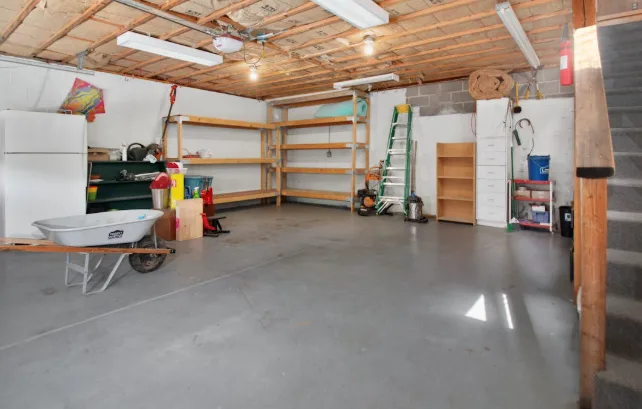
Garages often become the default place for everything that doesn’t fit inside the house. Tools, paint cans, sports gear, and seasonal items end up mixed together with no real system. That’s when the space stops being useful. Start by grouping items based on how often you use them. Everyday items should stay within easy reach, while seasonal storage can go higher or further back. Closed storage helps more than open shelves because it reduces visual clutter and keeps things protected. Many homeowners in Florida deal with humidity and dust, which makes proper storage even more important.
Providers like The Smarter Garage offer solutions that bring structure and order to your space. For instance, with Smarter Garage smart cabinets, Tampa Bay residents can store items safely while keeping the garage clean and easy to manage.
The Empty Wall Space You Keep Ignoring
Most people focus on floor space and forget how much room they have on their walls. This is one of the easiest areas to improve without changing the layout of your home. When walls stay empty, everything ends up on the ground or in piles. Adding shelves or mounted storage creates immediate relief. The key is to keep it organized instead of filling every inch. Use consistent spacing and keep similar items together so it doesn’t feel chaotic. In spaces like garages, laundry rooms, and even hallways, vertical storage can double your usable area. When done right, it makes your home feel more open because the floor stays clear and easier to navigate.
Corners That Turn into Clutter Zones
Corners tend to collect items because they’re out of the way, but that also makes them easy to ignore. Over time, they turn into small clutter zones that don’t serve any real purpose. Instead of letting corners fill up randomly, give them a clear role. A simple corner shelf can hold books, baskets, or daily essentials. In larger rooms, corners can support a small desk or a compact seating area. The goal is to make the space intentional so it doesn’t become a dumping spot. Pay attention to how you move through the room and place items that fit naturally into that flow. When corners are used properly, the entire room feels more balanced and easier to maintain.
Your Entryway Sets the Tone for Clutter
The entryway is where clutter builds up fast because it handles constant traffic. Shoes, bags, keys, and packages all land here first. Without a system, it becomes messy within a day or two. The solution is to create a setup that matches your routine. Hooks for bags and jackets keep things off the floor. A small bench or shelf helps manage shoes without stacking them everywhere. Keep frequently used items at arm’s reach and limit what stays in this area. When everything has a place, it becomes easier to reset the space daily. A well-organized entryway reduces stress the moment you walk in and makes it easier to keep the rest of the home in order.
That Unused Space Under the Stairs
The space under the stairs often gets overlooked because it feels awkward to use. Many homeowners either block it off or fill it without a plan. This area can actually solve a lot of storage problems when used properly. Built-in drawers or cabinets make it easy to store items you don’t need every day. If the space allows, it can hold cleaning supplies, shoes, or even a small workstation. Accessibility matters here, so avoid deep storage that’s hard to reach. Think about what you need quick access to and design around that. When this space is organized with intention, it reduces pressure on other areas of the home that usually carry too much clutter.
Laundry Areas That Feel Smaller Than They Are
Laundry rooms often feel tight because they lack structure. Detergent bottles, baskets, and cleaning supplies compete for the same space. The area above your washer and dryer usually stays empty or underused. Installing shelves or cabinets in that space creates a dedicated spot for supplies. Keep frequently used items within easy reach so you don’t have to move things around each time. A simple folding surface also makes a big difference. It keeps clothes from piling up elsewhere in the house. If space allows, assign bins for sorting laundry before washing. A well-organized laundry area saves time and keeps the process simple instead of frustrating.
Outdoor Areas That Sit Unused Most of the Year
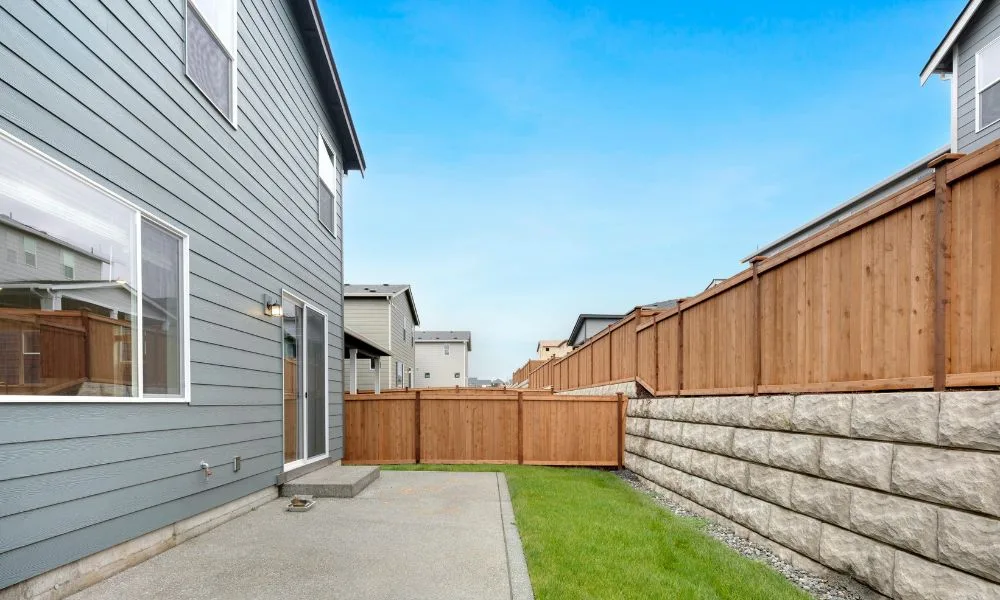
Outdoor spaces often get ignored because they lack structure. Patios, side yards, and small back areas end up holding random items instead of serving a purpose. In places like Tampa Bay, the weather allows for regular outdoor use, so it makes sense to set these areas up properly. Start by defining how you want to use the space. It could be for relaxing, storing gear, or both. Weather-resistant storage helps keep items protected while reducing clutter inside your home. Keep the layout simple so it’s easy to maintain. Even a small setup with seating and storage can turn an unused area into something you use regularly.
Most homes already have the space needed for a comfortable and organized lifestyle. The issue comes from how that space gets used over time. Clutter builds slowly, and areas lose their purpose without you noticing. When you take a step back and look at each space with intention, it becomes easier to fix what isn’t working. Focus on function first. Make sure every area has a clear role and supports your daily routine. Small changes in key areas can create noticeable results. You don’t need a full renovation to improve your home. You just need better use of the space you already have.