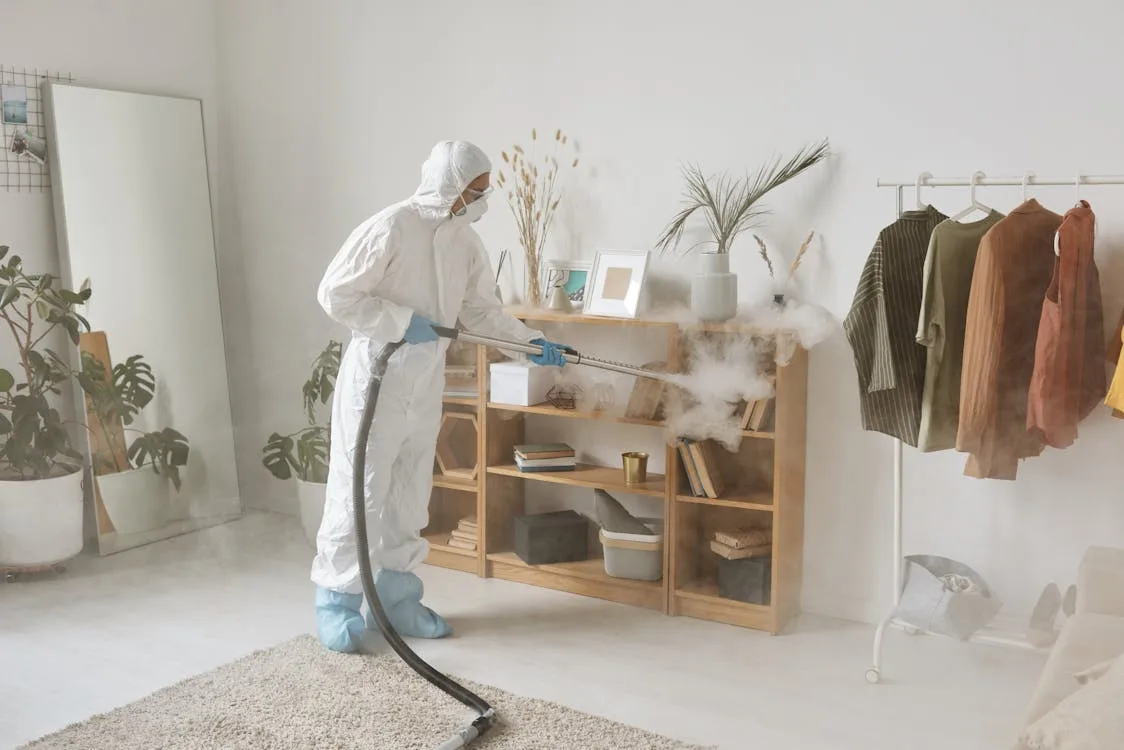
Keeping a home clean and comfortable involves much more than regular cleaning and routine maintenance. One of the biggest challenges homeowners face is protecting their property from unwanted pests. Insects and rodents can quietly enter homes, damage materials, contaminate food, and create unhealthy living conditions before homeowners even realize there is a problem.
This issue becomes especially important in warm and humid climates like Florida, where pests remain active throughout much of the year. The combination of heat, moisture, and seasonal weather creates ideal conditions for termites, ants, cockroaches, mosquitoes, rodents, and other household pests to thrive. Because of this, many homeowners are becoming more proactive about pest prevention and long-term home protection.
Professional pest control services play an important role in helping homeowners identify infestations early and reduce the risk of recurring pest problems. Instead of waiting until damage becomes visible, many homeowners now focus on preventative pest management strategies that support healthier, cleaner, and safer indoor environments year-round.
Why Professional Pest Control Is Important for Long-Term Home Protection
Pests can create serious problems inside homes when infestations are left untreated. Termites may weaken wood structures, rodents can damage insulation and wiring, and cockroaches often contribute to unsanitary conditions and unpleasant odors. Even smaller pests like ants can become difficult to manage once colonies begin spreading throughout the property.
That’s why many Florida homeowners dealing with recurring infestations or seasonal pest activity rely on pest control services in Florida because professional inspections and targeted treatments help identify hidden pest problems before they cause long-term property damage. Professional pest management services often focus on prevention, monitoring, and customized treatment plans designed to improve household safety and reduce future infestations.
One of the biggest advantages of professional pest control is the ability to locate pest entry points and nesting areas that homeowners may overlook. Pests often hide behind walls, inside crawl spaces, under flooring, or around plumbing systems where infestations can continue growing unnoticed.
Professional pest control specialists also understand how different pests behave and what treatment methods work best for each situation. Instead of applying temporary solutions, they can recommend long-term prevention strategies that help reduce future problems.
Routine inspections are another important benefit. Regular pest monitoring allows homeowners to address issues early before infestations spread throughout the home. This proactive approach often saves money by reducing the risk of structural damage, contamination, and costly repairs later.
Long-term pest prevention creates a cleaner and healthier living environment while helping homeowners feel more confident about the safety and condition of their property.
Common Household Pests and the Problems They Cause
Many different types of pests can enter residential homes, and each creates its own set of problems. Some pests damage property directly, while others create health and sanitation concerns for families.
Termites are among the most damaging household pests, as they consume wood and can gradually weaken a home’s structural integrity over time. Large infestations may damage walls, flooring, support beams, and other important parts of the home if left untreated.
Rodents such as mice and rats create additional concerns because they often chew through insulation, wiring, and stored materials. They may also spread bacteria and contaminate food sources inside kitchens and storage areas.
Cockroaches are another common household pest, especially in warm climates. They can trigger allergies, spread bacteria, and contribute to unpleasant indoor odors. Ant infestations can also become difficult to control once colonies establish themselves inside walls or outdoor areas near the home.
Mosquitoes create outdoor comfort issues while also increasing concerns about bites and disease exposure in some regions. Standing water and humid conditions often contribute to mosquito activity around residential properties.
Pest problems usually become more difficult and expensive to manage once infestations spread. Early identification and professional treatment often help prevent larger problems from developing later.
Preventative Pest Management Helps Maintain a Healthier Home
Preventative pest management focuses on reducing the conditions that attract pests before infestations occur. This approach helps homeowners maintain cleaner and healthier living spaces while lowering the likelihood of recurring pest problems.
One of the most effective prevention strategies involves sealing cracks, gaps, and openings around doors, windows, and foundations. These small entry points often allow insects and rodents to enter homes unnoticed.
Moisture control is another important part of pest prevention. Many pests are attracted to damp environments, leaking pipes, standing water, and excess humidity. Fixing plumbing leaks and improving drainage around the property can help reduce pest activity significantly.
Proper food storage and routine cleaning also play a major role in pest prevention. Keeping kitchens clean, sealing food containers, and removing garbage regularly helps eliminate food sources that attract pests indoors.
Outdoor maintenance is equally important. Overgrown landscaping, standing water, and debris around the property may create shelter and breeding areas for insects and rodents. Routine yard maintenance helps reduce these risks while improving the overall appearance of the property.
Professional inspections help identify hidden vulnerabilities that homeowners may not notice on their own. Preventative care creates a healthier indoor environment while reducing the chance of serious infestations later.
How Pest Control Supports Home Maintenance and Property Value
Pest control is an important part of long-term home maintenance. Untreated infestations can damage structural materials, reduce indoor comfort, and negatively affect property value over time.
Termites are especially dangerous because they often damage wooden structures quietly for months or even years before homeowners notice visible signs. Rodents may also create costly repair issues by chewing electrical wiring, insulation, and stored materials inside walls and attics.
Routine pest management helps protect flooring, walls, foundations, and other important parts of the home from unnecessary damage. Early treatment often prevents small pest problems from becoming major structural concerns.
Well-maintained homes are also more attractive to future buyers. Signs of pest infestations or past damage can raise concerns during inspections and affect the overall value of the property. Maintaining a pest-free home helps support both appearance and long-term investment value.
Homeowners who invest in preventative pest control often avoid more expensive repairs later. Protecting a home from pest damage contributes to safer, cleaner, and more comfortable living conditions while preserving the condition of the property over time.
Professional pest control plays an important role in protecting homes from damage, health concerns, and recurring infestations. From termites and rodents to ants and mosquitoes, pests can create serious problems when left untreated for too long.
Preventative pest management, regular inspections, and customized treatment plans help homeowners maintain cleaner, safer, and healthier living environments. Early intervention also reduces the risk of costly repairs and long-term structural damage.
As homeowners continue focusing on long-term property care and indoor comfort, professional pest control will remain an essential part of responsible home maintenance. Taking a proactive approach to pest prevention helps protect both the condition of the home and the well-being of the people living inside it.