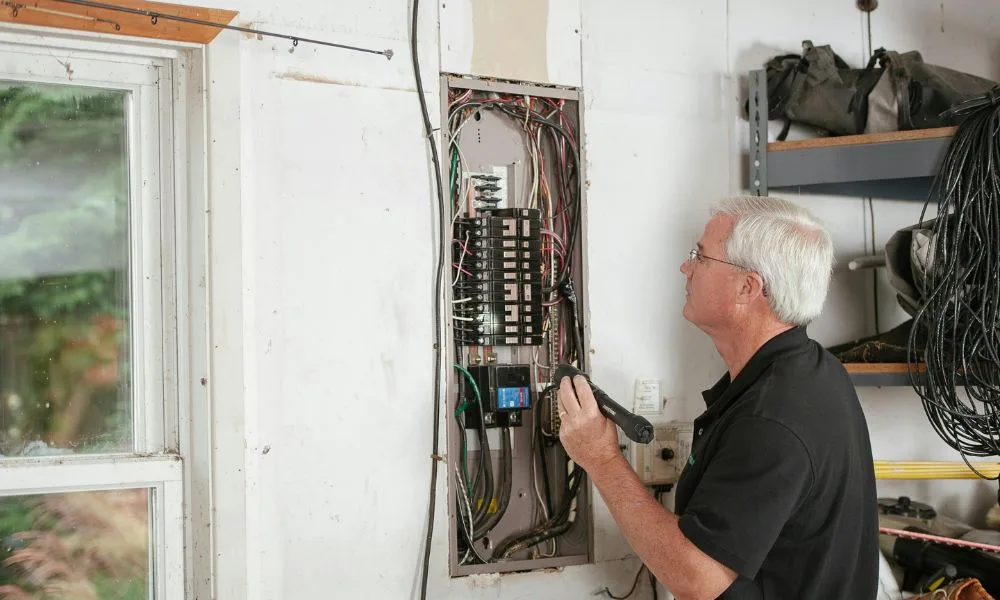
Most homeowners keep a mental checklist of maintenance tasks: clean the gutters, change the air filters, touch up paint where it has faded. These are the visible, high-traffic areas that naturally draw attention because they are part of daily life. But a home is more than the rooms people walk through each day. Attics, crawl spaces, garages, and utility zones often go unchecked for months, sometimes years, simply because they are out of sight and out of the normal household routine. This gap in attention creates an opening for moisture damage, structural wear, and pest activity to take hold before anyone notices. Understanding where these blind spots exist is the first step toward a more thorough and effective maintenance routine.
Why Hidden Spaces Get Skipped
Living rooms, kitchens, and bathrooms get regular use and regular eyes on them. A stain on the ceiling or a loose cabinet hinge tends to get noticed quickly because someone is standing in that space every day. Attics and crawl spaces do not offer that advantage. They require a deliberate decision to go check, often with a flashlight and a bit of physical effort. Utility areas like the space behind the water heater or the zone around exterior hose bibs suffer from the same problem. Nothing about daily life draws a homeowner’s eye there, so small issues can develop into significant ones without any early warning. This is part of why so many pest and moisture problems are discovered only after they have already caused visible damage elsewhere in the home.
Attics and Rooflines Deserve a Closer Look
The attic is one of the most consequential areas to inspect regularly, yet it is also one of the least visited. A damaged roof vent or a small gap where the roofline meets the exterior wall can let in far more than fresh air. Moisture stains on rafters or insulation are often the first sign of a slow roof leak, and deteriorated insulation loses its effectiveness long before it looks obviously worn. Homeowners should also look for the telltale signs of rodent or insect activity, including droppings, chewed insulation, or small entry holes around vents and eaves. Because attics are dark, warm, and rarely disturbed, they are attractive to a range of pests looking for shelter. For residents dealing with recurring attic activity, Livermore pest control services are often called in specifically because homeowners did not realize an entry point existed until an infestation was already established.
Crawl Spaces, Basements, and Foundation Vulnerabilities
Beneath the home, conditions can be just as consequential as what happens in the attic. Crawl spaces and basements are prone to moisture buildup, particularly in regions where seasonal rain or irrigation runoff collects near the foundation. Standing moisture, plumbing leaks, and poor ventilation combine to create an environment where wood rot, mold, and pest activity can all develop simultaneously. Foundation cracks, even small ones, deserve attention because they can widen over time and allow water intrusion or provide access points for insects and rodents. Utility penetrations, the openings where pipes, cables, or vents pass through the foundation wall, are especially easy to overlook. If these openings are not properly sealed, they become one of the most common entry routes pests use to get inside. This is another area where pest control professionals frequently identify the source of an infestation that a homeowner had struggled to locate on their own.
Kitchen and Bathroom Spaces That Rarely Get a Second Glance
Kitchens and bathrooms see daily use, but certain sections within them are just as neglected as an attic or crawl space. The area beneath the kitchen sink, for example, is often packed with cleaning supplies that block a clear view of the plumbing connections behind them. A slow drip here can go unnoticed for weeks, creating the kind of moisture that attracts pests looking for a water source. Behind large appliances like refrigerators and dishwashers, crumbs and spills accumulate in places that are rarely cleaned during routine tidying. Lower cabinets, particularly in older homes, can also develop hidden leaks around pipe connections that lead to swollen wood or mold growth long before any smell or stain becomes obvious from the outside.
Garages and Storage Areas
Garages tend to become catch-all storage spaces, and that clutter can quietly create ideal conditions for pests. Cardboard boxes are especially problematic because they retain moisture and are easy for insects and rodents to chew through. A few practical habits can reduce this risk considerably:
- Store food and pet supplies in sealed plastic or metal containers rather than their original packaging
- Replace worn weatherstripping around garage doors to eliminate gaps where pests can enter
- Move stored boxes and furniture periodically to check for droppings, nests, or gnaw marks
- Keep items off the floor using shelving to reduce contact with moisture and reduce hiding spots
Reducing clutter not only makes the garage more functional but also removes many of the hiding spots that allow pest activity to go undetected for long stretches of time.
Exterior Areas That Quietly Accumulate Problems
The exterior of a home takes a steady beating from weather, and several areas deserve more attention than they typically receive. Clogged gutters and downspouts can direct water toward the foundation instead of away from it, leading to the same moisture issues found in poorly maintained crawl spaces. Siding gaps, deteriorated window frames, and worn door thresholds all create small openings that add up over time. Decks should be checked for soft or damaged wood, since prolonged moisture exposure weakens structural boards in ways that are not always visible from above. Vegetation growing too close to exterior walls can trap moisture against the siding and give pests a direct bridge into the home. Homeowners should also confirm that the grading around the foundation slopes away from the house, since poor drainage is one of the most common contributors to long-term moisture damage.
Warning Signs Homeowners Should Never Ignore
Certain signs indicate that a problem has moved beyond simple maintenance and into active damage or infestation. Droppings, gnaw marks, discarded insect wings, and visible nests are clear indicators of pest presence. Unexplained odors, particularly musty or ammonia-like smells, often point to moisture buildup or animal activity in an enclosed space. Damaged or soft wood, recurring pest sightings, and moisture stains that reappear after cleaning should all prompt a closer inspection rather than a quick fix.
Key Takeaways
Routine inspection of the areas people rarely think about is one of the most effective ways to prevent costly repairs and larger infestations. Attics, crawl spaces, kitchens, garages, and exterior zones all deserve a place in a homeowner’s regular maintenance schedule, not just an occasional glance when something already seems wrong. Catching a small leak, a minor gap, or early signs of pest activity before it spreads can save significant time and expense down the road. When an infestation has already taken hold or the source of the activity is difficult to pinpoint, professional support becomes a practical next step, and homeowners in the area often find that experienced local guidance helps resolve issues that basic maintenance alone cannot fully address.