Most people underestimate the work a piece of land demands until they own one. Grass grows faster than expected, branches reach places they should not, leaves arrive in volumes that make a rake feel like a joke, and every season brings a different set of chores with its own deadline. Whether the property is a modest suburban lot or several acres with mature trees and long borders, the pattern holds.
Maintenance is not a single task but a rolling series of them, and staying ahead of the work is far easier than catching up after falling behind. Understanding what the job actually involves, and what it takes to do it properly, makes the difference between a property that looks cared for and one that quietly slips into neglect.
Getting Set Up Properly
Anyone who has tried to maintain a property with the wrong tools knows how quickly the work turns miserable. A dull, underpowered machine struggling through thick growth takes three times as long as the right one and often leaves a torn, uneven result behind.
The consequence shows up in more than lost hours, since equipment pushed beyond what it was built for wears out early and gets replaced far sooner than it should. The sensible approach is to look at a full range of outdoor power equipment and match each machine to the specific jobs the property demands. A good manufacturer offers both gas and battery options so the choice fits how and where the work gets done.
Cutting and Trimming Through the Growing Season
The bulk of warm weather work falls into this category, and it is relentless. Grass needs regular cutting on a schedule dictated by rainfall rather than convenience. Edges along walkways, driveways, and beds need definition, since a well-cut lawn with ragged borders still reads as unfinished. Fence lines, foundations, and areas around trees require attention that a mower simply cannot reach.
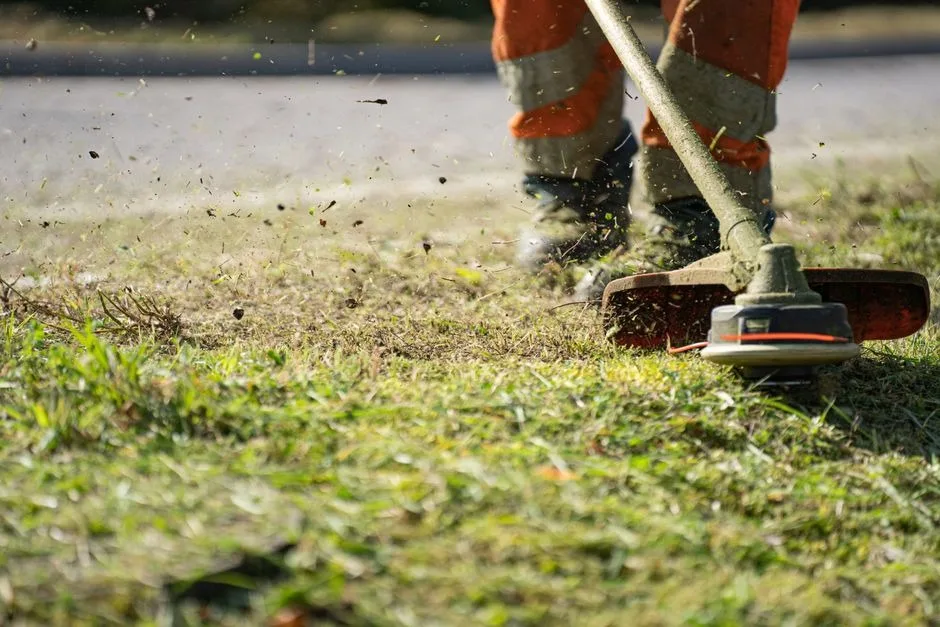
Different situations call for different approaches here. Open lawn calls for a mower. Tight spaces and vertical surfaces call for a trimmer. Heavy, woody growth that has been left alone for a season or two calls for a brushcutter, which handles material that would stall lighter tools. Long stretches of rough ground along a property line are where wheeled trimmers earn their place, taking the strain off your arms and shoulders across large areas.
The rhythm matters as much as the tools. Cutting a little more often produces a better result with less effort than letting things run and then fighting through the overgrowth.
Pruning and Precision Work
Trees and shrubs need shaping, and this is where patience pays. Hedges left untrimmed lose their form and become difficult to bring back. Branches that grow toward the house, over the driveway, or into power lines create genuine hazards during storms.
Hedge trimmers handle the shaping work along formal borders and screens. Power pruners reach into the canopy without a ladder, which removes the most dangerous part of the job. Hand tools still matter for detail work, careful cuts on young trees, and the moments where a machine would be excessive.
Timing affects results here more than in any other category. Cutting at the wrong point in the year stresses plants and can cost you a season of growth or flowering, so learning the right window for the species on your property is worth the reading.
Clearing and Cleanup
Debris accumulates whether you address it or not. Leaves in the fall are the obvious case, but grass clippings, twigs, seed pods, and general litter build up steadily through the year.
Blowers move material quickly across hard surfaces and open lawn, turning what would be an afternoon with a rake into a short pass. Chipper shredders deal with the branches and brush that pruning generates, converting a pile that would otherwise need hauling into mulch you can actually use. Pressure washers handle the surfaces themselves, lifting the grime, algae, and staining that settles on driveways, patios, siding, and fencing over time.
Cleanup work is often postponed because it feels cosmetic. It is not. Wet leaves left on a lawn smother grass, and debris trapped against a foundation holds moisture where you least want it.
Ground Preparation and Application
Some work happens below the surface or across it rather than above.
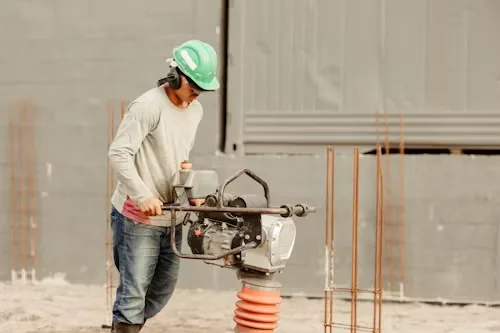
Augers and engine drills handle post holes for fencing, deck footings, and planting, replacing hours of digging with minutes of controlled work. Tillers and cultivators break and prepare soil for beds and gardens, which makes the difference between plants that establish and plants that struggle.
Spreaders distribute seed, fertilizer, and other material evenly, and evenness is the entire point. Patchy application produces patchy results that stay visible for months. Sprayers handle liquid application across lawns and beds with the same principle in mind.
This category tends to be seasonal and concentrated, with heavy use in spring and fall and long quiet stretches between.
Choosing Between Power Sources
Two options exist for most tool categories now, and each has a genuine case.
Gas engines deliver sustained power and long run times, which matters for large properties and heavy, extended work. Refueling takes seconds, so there is no waiting once a tank runs dry. For demanding jobs and long days, this remains the reliable choice.
Battery platforms run quietly and produce no emissions at the point of use, which changes what is possible in residential neighborhoods and enclosed spaces. A single battery system that powers a wide range of tools also simplifies things considerably, since one set of batteries and chargers serves every machine you own. Starting is immediate, maintenance is minimal, and the weight is often lower.
Many property owners end up running both, using battery tools for routine work close to the house and gas for the heavy jobs.
Safety Is Not Optional
Every category discussed here involves rotating blades, high-speed debris, or both. Eye protection is the absolute minimum and should never be skipped, not even for a quick five-minute job. Hearing protection matters more than people assume, since damage accumulates quietly over years. Gloves improve grip and protect against cuts. Sturdy boots protect feet from both dropped tools and thrown material. Chainsaw work demands protective chaps specifically designed for it.
Beyond gear, awareness matters. Know where other people are before starting. Check the work area for hidden hazards. Never work at height on unstable footing.
Keeping Everything Running
Equipment that gets maintained lasts dramatically longer than equipment that gets used and forgotten.
Fuel quality is the single biggest factor for gas engines, and the cheap fuel left sitting in a can over winter causes more problems than any other single thing. Using quality fuel and proper lubricants prevents the gumming and corrosion that turns a working machine into a repair bill.
Blades and cutting attachments need sharpening or replacement on a schedule. A dull blade tears rather than cuts, which stresses the plant and the engine simultaneously.
Registering equipment and knowing where authorized service is available saves real trouble later. Warranty coverage exists for a reason, and having documentation in order when something fails turns a crisis into an inconvenience.
Storage matters too. Clean tools, drained or stabilized fuel, and dry indoor storage between seasons add years to service life at essentially no cost.