If you’re thinking about upgrading your bathroom in Dallas, you’re dealing with more than tile colors and faucet styles. Dallas has more than 533,000 households, and the median value of an owner-occupied home was $320,700 for 2020–2024, according to the U.S. Census Bureau. With that much value tied to local housing, thoughtful improvements can be an important part of maintaining a home. A smart bathroom remodel can fix daily frustrations, improve functionality, and strengthen resale appeal. The trick is knowing what deserves your attention before the demo dust starts flying.
Start With the Problems You Actually Use Every Day
A bathroom remodel usually begins with a dream board and ends with a reality check. Before you pick finishes, pay attention to the small annoyances you deal with every morning. Maybe your vanity doesn’t have enough storage, the lighting makes you look like you haven’t slept in a week, or the shower feels cramped.
Make a list of what’s not working. Separate cosmetic issues from functional ones. Peeling paint is annoying, but poor ventilation can lead to mold, warped trim, and long-term repair costs. If your toilet sits too close to the vanity or the tub never gets used, your layout may be wasting valuable space.
In many Dallas homes, especially older ones, bathrooms were built for a different era. You’ll get better results when your remodel focuses on how you live now, not how the room looked in a showroom photo.
Understand How Homes Shape Remodeling Decisions
Location matters more than many homeowners expect. In Dallas, housing styles vary widely, from ranch homes and mid-century builds to newer suburban developments. Each comes with its own remodeling challenges. Older homes may hide outdated pipes, uneven floors, or electrical systems that need updates before any pretty materials go in.
Foundation movement is another real concern in North Texas. Expansive clay soil can shift with weather changes, which may affect tile, grout lines, and plumbing connections over time. A remodel that looks flawless on day one still needs to hold up under local conditions.
That’s part of the value of working with a Dallas Bathroom Remodeling Company that understands regional construction quirks. Local experience helps when selecting materials, checking structural conditions, and planning a bathroom that performs well beyond the final walkthrough.
Set a Budget That Includes the Unexciting Stuff
It’s easy to spend your entire budget on statement tile and a gorgeous walk-in shower. It’s less exciting to budget for subfloor repairs, updated wiring, shutoff valves, or waterproofing. Still, those hidden items matter more than the shiny hardware that gets all the attention.
A realistic bathroom remodel budget should cover:
– Demolition and debris removal
– Plumbing and electrical work
– Waterproofing and ventilation upgrades
– Flooring, tile, cabinetry, and fixtures
– Labor and permit costs
– A contingency fund for surprises behind the walls
A good rule is to reserve 10 to 20 percent for unexpected issues. In older homes, surprises are practically part of the floor plan. If a contractor opens a wall and finds water damage, you’ll want room in the budget to fix it properly instead of patching over a larger problem.
Focus on Layout Before Finishes
You can have stunning materials and still end up with a clumsy bathroom. Layout affects how the room feels, how easily two people can use it, and whether storage solves anything at all. If you’re remodeling a primary bath, think about movement. Can drawers open without blocking the doorway? Does the shower door swing into useful space?
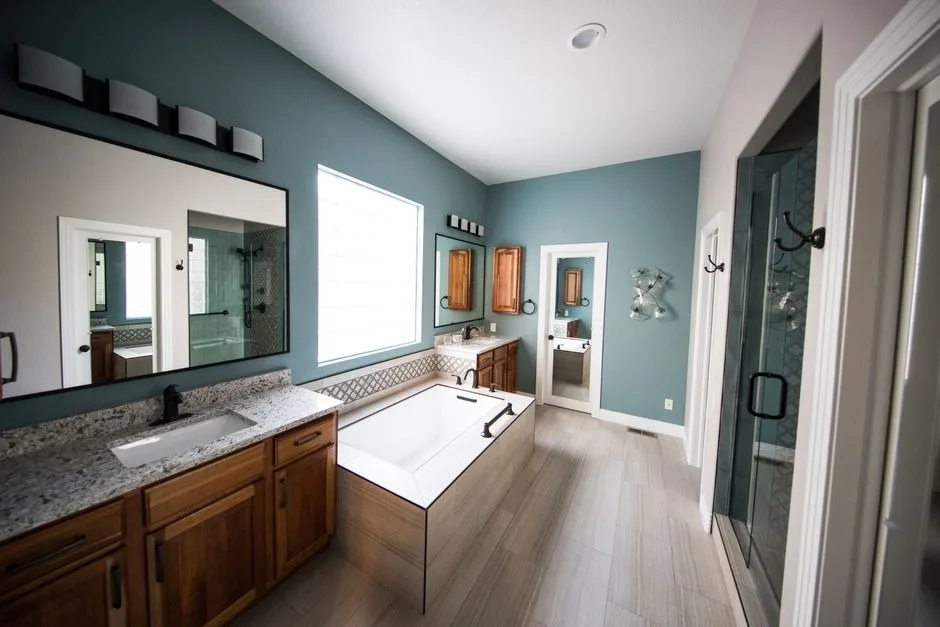
If your bathroom is small, layout matters even more. Wall-mounted vanities, recessed storage niches, and frameless glass can make the room feel less boxed in. If you have extra square footage, you might add a double vanity, a larger shower, or a private water closet. The goal isn’t to cram in every trend. It’s to make the room work better.
This is where experienced planning pays off. A nice finish can distract the eye, but a smart layout improves the room every single day.
Choose Materials That Can Handle Moisture and Real Life
Bathrooms are humid, high-traffic spaces. They deal with steam, splashes, product spills, and the occasional dropped hair tool. Materials need to look good, but they also need to survive daily use without turning maintenance into a second job.
Porcelain tile remains a solid choice for floors and shower walls because it’s durable and moisture-resistant. Quartz works well for countertops since it resists staining and doesn’t need regular sealing. Semi-gloss or satin paint can help walls stand up to humidity better than flat finishes.
You should also think beyond the surface. Proper underlayment, grout quality, and waterproofing systems play a major role in longevity. Cheap shortcuts often stay hidden until they become expensive. In bathroom remodeling, “looks fine for now” is rarely a phrase you want attached to your shower pan.
Ventilation and Lighting Deserve More Respect
These two elements rarely steal the spotlight, yet they shape your daily experience more than trendy fixtures do. Good ventilation helps control humidity, prevents mildew, and protects cabinetry, paint, and trim from moisture damage. If your current fan sounds like a lawn mower and does very little, it may be time for an upgrade.
Lighting has its own job list. You need enough overall light to keep the room bright, task lighting around the mirror for shaving or makeup, and possibly accent lighting if you want a more polished finish. One overhead fixture in the middle of the ceiling usually won’t cut it.
Layered lighting works best. Combine recessed lights, vanity sconces, and dimmers where possible. It sounds like a small detail, but proper lighting can make a bathroom feel larger, cleaner, and far more comfortable to use at any hour.
Know the Difference Between Trendy and Timeless
Design trends move fast. Bathrooms do not. A remodel is expensive, disruptive, and not something you’ll want to redo in three years because your once-beloved feature now feels oddly specific. You’re better off building around timeless elements and using trends in smaller, easier-to-change details.
Classic tile shapes, neutral foundational colors, quality hardware, and simple cabinetry tend to age well. If you love bolder design choices, bring them in through mirrors, lighting, paint, or accessories. That gives you flexibility later without requiring a full renovation.
The resale value can also factor into your design decisions. A highly personalized bathroom might suit your taste perfectly, but broad appeal matters if you plan to sell. You don’t need to design for strangers, though it helps to avoid choices that make buyers pause and say, “Well, that’s… memorable.”
Work With Pros Who Communicate Clearly
A bathroom remodel can involve designers, plumbers, electricians, tile installers, and inspectors. With that many moving pieces, communication matters just as much as craftsmanship. You want professionals who explain the process, outline timelines, answer questions directly, and keep you informed when plans shift.
Before hiring anyone, ask about licensing, insurance, scheduling, and how change orders are handled. Review past projects. Get clear written estimates. If a bid seems dramatically lower than the rest, there’s usually a reason, and it’s rarely a fun one.
The best remodeling experiences come from teams that combine technical skill with solid project management. You’re not just hiring someone to install a vanity. You’re trusting them with plumbing, waterproofing, finishes, and the room you’ll probably use before coffee every day. That calls for competence, not guesswork.
Plan for Value, Comfort, and the Long Haul
A strong bathroom remodel should do more than look better in photos. It should make your routine smoother, improve comfort, and hold up for years. Think about storage that keeps counters clear, showers that are easy to clean, and fixtures that feel sturdy instead of flimsy.
You might also consider aging-in-place features, even if you don’t need them right now. Curbless showers, wider entries, better lighting, and strategically placed blocking for future grab bars can add convenience without changing the look of the room.
When your plan balances design, durability, and local know-how, the result feels less like a cosmetic update and more like a real upgrade to the way you live. A bathroom may not be the biggest room in your house, though it punches well above its square footage when it’s done right.