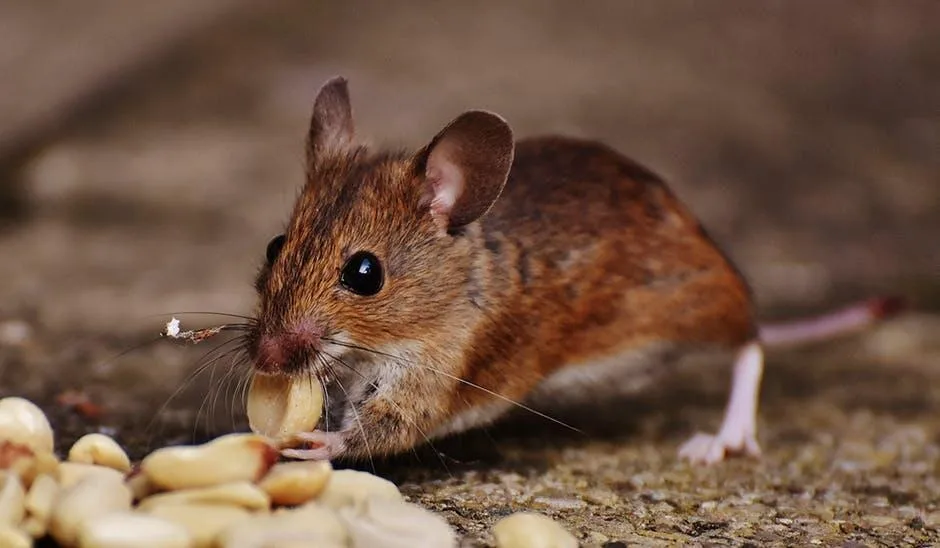
Quiet noises behind drywall or small dark spots in cabinet corners often signal unwelcome household guests. Small rodents move quickly inside residential structures, seeking food, warmth, and safe shelter. Spotting early warning signs helps protect building integrity and keeps living areas clean and safe. Prompt action stops minor intrusions from becoming widespread structural problems.
Unexplained Scratches And Sounds In Walls
If you hear scratching in your ceiling, pests are likely moving around. Government guides say mice and rats are often first spotted or heard at night behind drywall. When the house is quiet, even tiny sounds in the wood framing are easier to notice.
- Squeaking noises
- Light tapping sounds
- Rapid clawing noises
Attics and drop ceilings are like highways for small pests. If you hear sounds up there, pests are likely moving behind the walls. Note where the noise is coming from. That helps you figure out their travel paths.
If you ignore the sounds, they can create more nesting spaces inside your walls. Rodents push through insulation to move across floor joists. Catching these sounds early helps you fix entry points before the problem gets worse.
Seeking Professional Help For Infestations
Homeowners faced with persistent activity must take decisive action to secure their living space. When unexpected structural activity appears, the team behind Connor’s Pest Pros says that early expert intervention prevents major property damage. Getting an inspection early helps you find entry points before pests settle in.
Pros have special tools to find where pests are nesting. Trusting an expert helps homeowners feel more at ease. They notice small openings that you might miss.
A strong pest control plan uses both sealing and routine checks. Closing gaps in the foundation keeps pests out and protects your living space. Expert advice helps you fix the real problem, not just the symptoms.
To prevent pests long-term, keep an eye on your exterior and basement walls. Pros suggest regular inspections to make sure foundation vents stay sealed. Professional help takes the hassle out of home maintenance.
Finding Small Droppings In Hidden Spaces
Dark droppings in food pantries or under sinks provide clear evidence of an active infestation. Public health reports indicate that rodent droppings appear anywhere these animals have traveled. Fresh droppings look dark and soft, whereas older droppings turn hard and gray.
Kitchen drawers, utility closets, and area rugs often contain these small fecal pellets. Sweeping these areas regularly makes new activity instantly noticeable. Checking behind heavy kitchen appliances helps identify active foraging spots.
Food storage spaces attract foraging pests seeking easy access to dry goods. Unsealed cereal boxes, flour sacks, and pet food bags present quick feeding opportunities. Cleaning pantry shelves regularly removes food crumbs that draw unwanted visitors.
Accumulations of droppings near water heaters or pipe entries signal heavy nighttime traffic. Small pests repeatedly visit reliable water sources and sheltered dark corners. Clearing out clutter near plumbing fixtures simplifies weekly inspections.
Chewed Entry Points And Structural Damage
Rodents chew all the time to keep their teeth from growing too long. Government resources say holes chewed through walls and floors give pests a way inside. Open gaps let them move from crawlspaces into your living space.
You may see teeth marks on wood, plastic pipes, or electrical wires. Check baseboards near plumbing lines. If you don’t catch it early, chewing can damage utility lines and create safety hazards.
Chewed wires can cause fires inside walls. Gnawed pipes can leak and damage your home. Regular checks help you find fresh chew marks before you need major repairs.
Crawlspaces and garage walls often have chewed openings. Small gaps near garage doors let pests step right into utility rooms. Install metal flashing over openings to stop them from chewing through again.
Unusual Pet Behavior Near Hidden Cavities
Dogs and cats often notice pests before you do. They may stare at cabinets or scratch at walls.
Watch where your pet reacts. It can tell you where pests are hiding. Animals hear tiny sounds inside walls. If your pet acts suddenly different, it might mean pests are nearby.
Pets often stay in one spot if pests are near. Scratching at baseboards means something is moving behind the drywall. Watch your pet to find where to look.
If they get upset near closets or kitchen kick plates, pests may be there. Pets smell things you can’t. Trust your pet’s instincts to find nests faster.
Strange Odors And Dark Smudge Marks
If you smell a stale odor near your walls, pests may be nesting there. Rodents leave a musky smell that gets stronger as more of them move in. Still air in closets and pantries makes the odor worse.
Oily fur leaves dark marks along baseboards and low walls. Follow these marks to find common paths between food and nests. Clean them off so you can spot fresh activity later.
Grease stains appear near small gaps where pests rub against walls. Dark smudges near floorboards mean heavy daily travel. Wipe baseboards often to spot new paths.
A strong musky smell in closed spaces means an established nest. Closets don’t get much air, so the smell stays longer. Finding where the smell comes from helps you find hidden voids in the structure.
Shredded Materials And Hidden Nesting Sites
Mice and rats gather soft materials to build comfortable nests in warm spaces. Paper, cardboard boxes, and fiberglass insulation make ideal bedding materials for growing litters. Pests shred soft items into tiny pieces to line hidden nesting cavities.
Finding chewed paper scraps inside cabinets indicates a nearby nesting location. Checking quiet storage zones helps locate hidden nests before populations multiply. Removing stored clutter deprives pests of materials needed to build secure nests.
Attics, basements, and back closets offer quiet areas for nest construction. Stored cardboard boxes supply endless paper fiber for bedding material. Storing personal items in sealed plastic bins keeps insulation and paper safe from chewing.
All About Home With a Rodent Problem
Insulation panels in basements often show signs of tunneling and shredding. Small pests pull apart wall insulation to create warm breeding chambers. Inspecting utility rooms reveals hidden nest sites behind major appliances.
Keep exploring practical home care tips to create a cleaner, safer, and more comfortable environment for everyone in your household.
If you’d like to learn more, check out more articles on our blog.