Storms can hit without much warning, and your roof often takes the worst of it. Strong winds, heavy rain, hail, and falling tree branches can leave behind damage that is not always easy to see. Even a small problem can let water into your home and lead to much bigger repairs later.
The good news is that taking the right steps right away can help protect your home and save you money. You do not have to figure everything out at once, but acting quickly makes a big difference. Here is what you should do after a storm damages your roof.
Stay Safe Before Inspecting Your Roof
Your safety should always come first after a storm. It is normal to want to check the damage right away, but rushing outside can put you at risk. Take a moment to make sure the area is safe before you start looking around.
Even if the storm has passed, there could still be hidden dangers. Wet surfaces, broken branches, and damaged power lines can all create serious hazards. A careful inspection from a safe location is always the best place to start.
Avoid Climbing Onto the Roof
Do not climb onto your roof after a storm unless emergency responders or roofing professionals say it is safe. The surface may be slippery, and the roof structure could be weaker than it looks. A fall can cause serious injuries, so it is better to stay on the ground.
Watch for Electrical Hazards
Keep an eye out for downed power lines or damaged electrical equipment near your home. Water and electricity are a dangerous combination, especially after heavy rain. If you notice any electrical hazards, stay away and contact your utility company immediately.
Inspect from the Ground First
Walk around your property and look at your roof from different angles. You can use binoculars to get a closer look without putting yourself in danger. Watch for missing shingles, fallen branches, damaged gutters, or anything else that seems out of place.
Look for Common Signs of Roof Storm Damage
Not all storm damage is easy to spot, but there are a few common warning signs you can look for. Finding these problems early can help prevent water from getting inside your home. If you notice anything unusual, it is a good idea to have your roof inspected by a storm damage restoration professional.
Some damage may seem small at first but can become much worse over time. Rain can slip through tiny openings and damage insulation, ceilings, and walls. That is why it is important to pay attention to even minor changes after a storm.
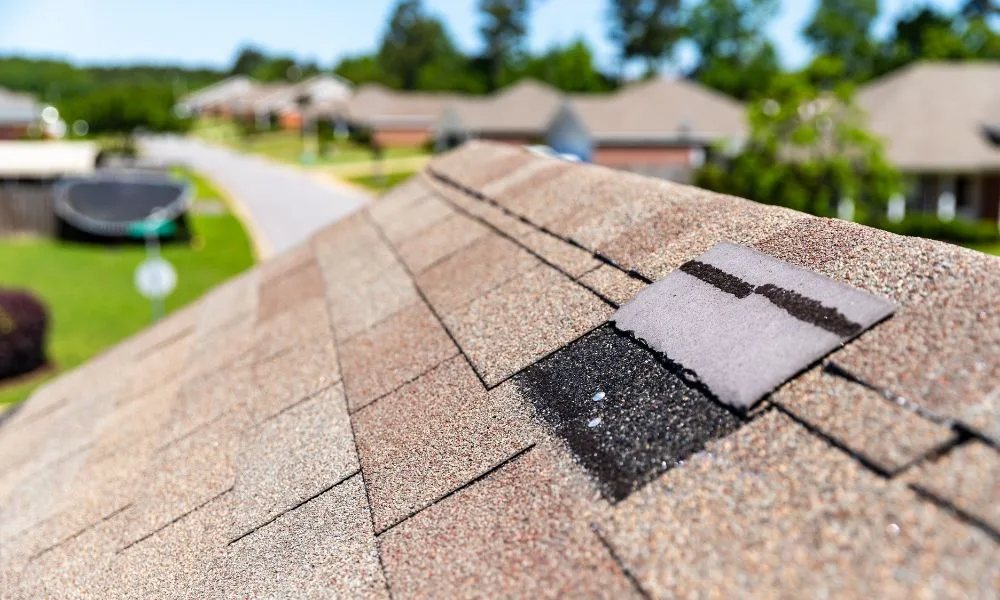
Missing or Lifted Shingles
Strong winds can tear shingles off your roof or lift them enough to break their seal. Once shingles are damaged, water can easily reach the layers underneath. Missing shingles should be repaired as soon as possible.
Cracked or Broken Roofing Materials
Hail, debris, and falling branches can crack shingles, tiles, or other roofing materials. These cracks may not seem serious at first, but they allow moisture to enter your roof. Over time, this can lead to leaks and wood rot.
Hail Damage
Hail can leave dents, bruises, and loose granules on roofing materials. Even if there are no visible holes, the impact can weaken your roof. A professional inspection can help find damage that is easy to miss.
Fallen Tree Limbs
Large branches can break shingles, damage flashing, or even punch holes through the roof. Smaller branches may also scrape away protective materials over time. Remove debris safely and avoid moving heavy limbs on your own.
Damaged Flashing
Flashing protects areas around chimneys, vents, and skylights where water can easily get inside. Storms can bend or loosen these metal pieces without you noticing. Damaged flashing should be repaired before the next rainfall.
Sagging Roof Sections
A sagging roof may be a sign of serious structural damage or trapped water. This should never be ignored because the roof could become unstable. Stay away from the area and contact a professional right away.
Water Leaks Inside the Home
Check your ceilings, walls, and attic for water stains or dripping water. These signs often mean your roof has been damaged. Fixing leaks early can help prevent mold and more expensive repairs.
Document All Damage Immediately
Once it is safe, take clear photos and videos of any damage you can see. Include pictures of the roof, gutters, yard, and any water damage inside your home. Good documentation can make the insurance claims process much smoother.
Write down the date of the storm and keep records of any temporary repairs you make. Save receipts if you buy supplies or hire emergency services. The more information you have, the easier it will be to support your claim.
Prevent Additional Damage
If your roof is leaking, try to limit further damage while waiting for repairs. Place buckets under leaks, move furniture away from wet areas, and dry standing water if it is safe to do so. These simple steps can help reduce damage inside your home.
Temporary protection is only meant to prevent the problem from getting worse. It is not a permanent solution for a damaged roof. Professional repairs should still be scheduled as soon as possible.
Cover Active Leaks
A temporary tarp or plastic sheet may help keep rain out until repairs can be made. Make sure it is installed safely and only if conditions allow. Never risk climbing onto a damaged roof during bad weather.
Move Furniture and Valuables
Take furniture, electronics, and important documents away from leaking areas. Water can quickly ruin items that cannot be replaced. Acting early may help prevent costly losses.
Place Buckets Under Leaks
Buckets and towels can help catch dripping water before it spreads across your floors. Empty the buckets regularly to prevent overflowing. This also makes cleanup much easier.
Dry Wet Areas Quickly
Open windows if the weather allows and use fans or dehumidifiers to remove moisture. Drying your home quickly helps reduce the chance of mold growth. The sooner surfaces dry, the better.
Contact Your Insurance Company
Report the damage to your insurance company as soon as possible. They will explain the next steps and let you know what information they need. Having photos and repair records ready can speed up the process.
Avoid throwing away damaged materials until your insurance company says it is okay. They may want to inspect them as part of your claim. Keep copies of all paperwork for your records.
Schedule a Professional Roof Inspection
Some roof damage cannot be seen from the ground. Professional inspectors know how to find hidden problems that could cause leaks later. They can also recommend the right repairs before the damage gets worse.
A thorough inspection gives you a better understanding of your roof’s condition. It also provides useful documentation for insurance claims if needed. Getting expert advice early can help you avoid larger repair bills later.
Know When Emergency Roof Repairs Are Needed
Some situations require immediate attention, especially if there are large holes or active leaks. A tree falling onto your roof or signs of structural damage should also be treated as emergencies. Waiting too long can make the damage much worse.
Emergency roof repairs often include temporary tarping to protect your home until permanent repairs can begin. This helps keep out rain and prevents additional water damage. A restoration professional can respond quickly and secure your property.
Avoid Common Mistakes After Roof Storm Damage
Many homeowners wait too long before fixing small problems because the damage does not seem serious. Unfortunately, even a small leak can spread and cause major water damage over time. Acting early is almost always the better choice.
Another common mistake is trying to handle dangerous repairs without the right equipment or experience. Hiring a licensed professional helps make sure the work is done safely and correctly. It also gives you peace of mind that hidden damage will not be missed.
Delaying Repairs
Waiting too long allows water to keep entering your home every time it rains. Small problems often become much more expensive later. Fast repairs usually save both time and money.
Ignoring Small Leaks
A tiny drip can damage insulation, drywall, and wood before you even notice it. Moisture can also lead to mold growth inside your home. It is always better to fix leaks early.
Attempting Dangerous DIY Repairs
Roof work is risky, especially after a storm. Damaged materials may not support your weight safely. Leave major repairs to trained professionals.
Hiring Unlicensed Contractors
Always check that the contractor is licensed and insured before hiring them. This helps protect you if something goes wrong during repairs. It also improves the quality of the work.
Failing to Document Damage
Without photos or records, your insurance claim may become more difficult. Good documentation shows exactly what happened after the storm. It can also help if questions come up later.
Tips to Reduce Future Storm Damage
While no roof is completely storm proof, regular maintenance can lower the risk of serious damage. Keep gutters clean, trim tree branches, and repair worn shingles before storm season begins. Small maintenance tasks can make your roof much stronger.
Scheduling regular roof inspections is another smart way to protect your home. Professionals can spot small issues before they become expensive repairs. Staying ahead of problems is one of the best ways to extend the life of your roof.
When Storm Damage Requires More Than Roof Repairs
Sometimes storm damage affects more than just your roof. Water that enters your home can damage ceilings, insulation, walls, and even create mold if it is not dried properly. In these cases, you may also need professional water damage restoration to fully protect your home.
The longer moisture stays inside, the greater the chance of long term structural damage. Fast cleanup helps prevent additional repairs and keeps your home healthier. A full inspection can identify problems that are hidden behind walls or above ceilings.
Conclusion
A storm damaged roof should never be ignored, even if the damage looks minor. Taking quick action, documenting the damage, and scheduling a professional inspection can help prevent bigger problems. The sooner repairs begin, the easier it is to protect your home and your budget.
If your roof has been damaged by a storm, Spartan Restoration is ready to help. Our team provides fast inspections, emergency response, and complete restoration services to get your home back to a safe condition. Contact us today to schedule your roof damage assessment.