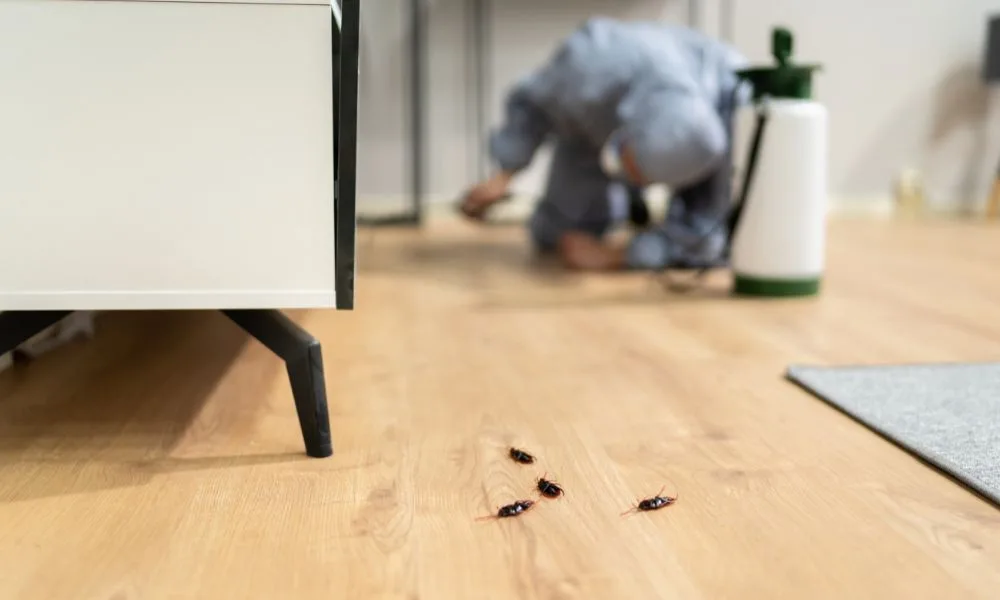
Every season brings its own rhythm of pest activity. As temperatures shift, food sources change, and moisture levels rise or fall, different insects and rodents adjust their behavior in ways that often bring them closer to human homes. Understanding these patterns can help homeowners anticipate problems before they start, rather than reacting after an infestation has already taken hold.
Pests are not randomly wandering into houses. Their movements are driven by biology, the need for warmth, water, food, and shelter. When outdoor conditions no longer meet those needs, indoor spaces become an attractive alternative. Recognizing which pests are active during which months, and why, is the first step toward keeping a home protected year-round.
Spring Awakening: Ants and Termites Become Active
As soil temperatures warm in early spring, many insect colonies that have been dormant through winter begin to expand their foraging range. Ants are among the first to reappear, often scouting for food sources near kitchens, pantries, and outdoor trash areas. Carpenter ants, in particular, are drawn to moisture-damaged wood, which makes homes with unresolved leaks or poor drainage more vulnerable.
Termites follow a similar seasonal pattern. Subterranean termite colonies often initiate swarming flights in spring, when winged reproductives leave the nest to establish new colonies. According to research from the U.S. Department of Agriculture’s Forest Service, termite activity is closely tied to soil temperature and moisture, with swarming typically occurring after a rain event when humidity is high. Because termite damage can go unnoticed for months, spring is a practical time to inspect wooden structures, foundations, and crawl spaces for early warning signs such as mud tubes or hollow-sounding wood.
Summer Surge: Mosquitoes, Wasps, and Increased Outdoor Activity
Summer heat accelerates the life cycles of many insects, and few are more noticeable than mosquitoes and wasps. Mosquitoes breed in standing water, and their reproductive cycle can be remarkably fast, some species can develop from egg to adult in as little as seven to ten days under warm conditions, according to entomological research from university extension programs. Even small amounts of stagnant water, such as clogged gutters or unemptied plant saucers, can support a functioning breeding site.
Wasps, meanwhile, reach peak colony size in mid-to-late summer, when nests that started with a single queen in spring may contain hundreds of workers. This is also when wasps become more assertive around food sources, particularly sugary drinks and proteins left outdoors. Homeowners frequently notice increased wasp activity near eaves, sheds, and attics, where sheltered spaces make ideal nesting sites.
Fall Transition: Spiders and Pests Seeking Shelter
As temperatures begin to drop in autumn, pest behavior shifts from foraging to shelter-seeking. Spiders become more visible during this period, not necessarily because their populations increase, but because many species, particularly those that mate in fall, become more active in search of partners and warmer hiding spots. Basements, garages, and window wells often become common spider habitats during this transition.
This is also the season when a wider range of pests begin looking for a way indoors. Cooler nights and reduced food availability outside push insects and small rodents to seek stable temperatures and reliable food sources. This is one of the more important periods for homeowners to think about long-term prevention, since many pests that enter in fall may establish themselves through the winter if conditions remain favorable. This is often when calls for Yukon pest control increase, as residents notice more insects and early rodent activity around foundations, doors, and utility openings as the weather cools.
Winter Challenges: Rodents and Cockroaches Move Indoors
Once temperatures drop consistently below freezing, outdoor food and shelter options become scarce, prompting rodents such as mice and rats to seek refuge indoors. Mice can squeeze through gaps as small as a quarter-inch, according to pest management research from university entomology departments, which means even minor construction gaps can serve as entry points. Once inside, rodents are drawn to insulated spaces like attics, wall voids, and areas near heating systems.
Cockroaches also tend to move indoors during colder months, particularly species that cannot survive prolonged exposure to freezing temperatures. They typically seek out warm, moist areas such as kitchens, bathrooms, and basements, where they can access both food debris and water. Because cockroaches reproduce quickly and can trigger allergic reactions in sensitive individuals, early detection during winter is particularly important.
What Draws Pests Indoors
While each pest has its own seasonal pattern, several underlying conditions consistently drive pests toward human dwellings throughout the year:
- Temperature regulation — Extreme heat or cold pushes pests to seek stable indoor climates.
- Moisture availability — Leaky pipes, damp basements, and standing water attract insects that rely on water to survive and reproduce.
- Food accessibility — Unsealed food containers, pet food left out, and unmanaged garbage provide easy meals.
- Shelter needs — Cracks, gaps, and cluttered storage areas offer safe nesting sites away from predators and weather.
- Structural vulnerabilities — Gaps around doors, windows, vents, and utility lines create direct pathways into the home.
Understanding these shared drivers makes it easier to address multiple pest risks with a single set of preventive habits, rather than treating each pest as an isolated problem.
Practical Prevention Throughout the Year
Consistent maintenance is generally more effective than reactive treatment after pests have already established themselves indoors. Some of the most useful preventive measures include:
- Sealing visible cracks, gaps around utility lines, and worn weather stripping on doors and windows.
- Removing standing water from gutters, plant trays, and low-lying areas of the yard.
- Storing food, including pet food, in airtight containers rather than open bags or boxes.
- Trimming vegetation and tree branches away from the home’s exterior to reduce insect access points.
- Inspecting attics, basements, and garages periodically for signs of nesting, droppings, or moisture damage.
These steps do not eliminate all pest risk, but they significantly reduce the conditions that make a home attractive to seasonal invaders. For infestations that persist despite these efforts, or for pests that are difficult to identify and manage safely, seeking guidance from local pest management professionals familiar with regional pest behavior can help address recurring seasonal issues more effectively than repeated DIY attempts alone.
Final Analysis
Seasonal pest activity follows predictable biological patterns, shaped by temperature, moisture, food access, and the need for shelter. Ants and termites emerge in spring, mosquitoes and wasps peak in summer, spiders become more visible in fall, and rodents and cockroaches often move indoors during winter. While no home is entirely immune to these shifts, understanding what drives each pest’s behavior allows homeowners to take timely, targeted action. Regular inspection and basic exclusion habits remain the most reliable defense, and for stubborn or recurring problems, professional support can offer the kind of consistent, informed management that seasonal pest pressure often requires.