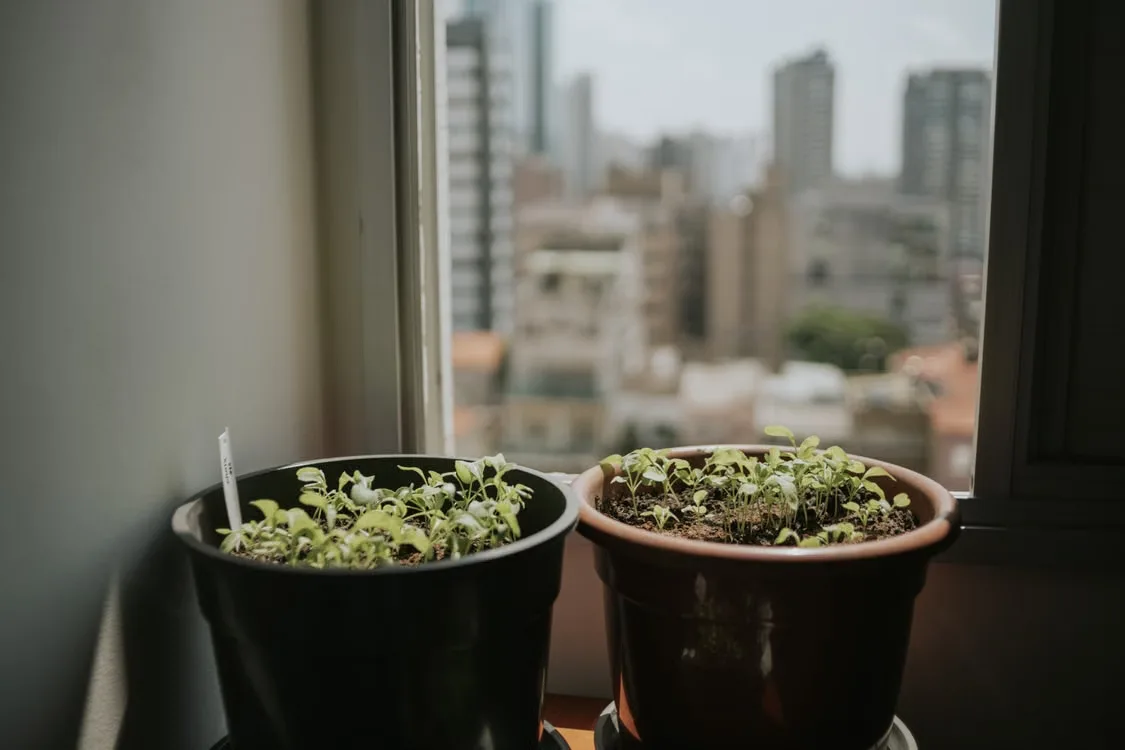
Indoor spaces gain immediate warmth when you add living elements. Houseplants transform stark rooms into calm sanctuaries.
You can position them on shelves, floors, or tables to balance your existing decor. This comprehensive guide provides actionable steps to integrate greenery seamlessly into your home, a simple choice with huge aesthetic rewards.
Choosing The Right Greenery
Selecting the correct species relies heavily on your room conditions. Light levels dictate which varieties will thrive in a chosen corner.
Low-light spaces welcome hardy species that survive with minimal sunshine. Bright rooms support tropical options that need hours of daily sun exposure.
Certain popular choices require particular placement to protect local ecosystems. A publication from the University of Florida Extension states that snake plants belong in indoor pots or screened patios to prevent ground contact. Keeping these selections confined prevents them from becoming invasive outside your home.
Humidity levels affect how your selections perform over the seasons. Bathrooms offer excellent humidity for ferns and air plants. Dry living rooms suit desert varieties like cacti that require minimal atmospheric humidity.
Selecting The Perfect Pots
Choosing a container requires careful thought about scale and weight. When comparing planter materials, you should look at durability and aesthetics. Lightweight choices allow you to rearrange your layouts without physical strain. They offer flexibility when you want to refresh your interior layout.
Heavy containers offer stability for large, top-heavy vegetation. You can match the color of the vessel to your wall paint for a cohesive look. Neutral tones allow the natural shades of the leaves to stand out clearly.
Drainage holes protect your sensitive roots from rot. Pots without holes require a thick layer of charcoal or gravel at the bottom.
Mapping Out Your Layout
Placement determines how people experience your living decor. Large floor items anchor empty corners and lift the eye upward. Smaller choices fit neatly on mantels or desks to provide close-up visual interest. Proper placement creates balanced energy throughout the layout.
Small containers offer flexibility for creators working with limited space. An educational guide by Project Learning Tree notes that planters are compact and function well with minimal equipment.
Traffic flow should heavily influence where you position large items. Avoid placing wide leaves in narrow hallways where people might brush against them. Clear pathways preserve the condition of the foliage and prevent accidental spills.
Creating Layered Displays
Grouping items in odd numbers creates an appealing visual rhythm. Three items of varying heights look balanced to the human eye. You can combine broad leaves with fine textures to build contrast.
Vertical styling maximizes your available square footage. Hanging baskets draw attention to high ceilings. Tiered stands let you showcase multiple varieties in a single tight footprint.
Shelves provide an ideal stage for cascading vines. English ivy or pothos can drape gracefully over books and ornaments.
- Position tall items in the back row.
- Place cascading vines on front edges.
- Use small cups for tiny succulents.
- Set medium options in center spaces.
Managing Growth Indoors
Vegetation alters its size and shape as months pass. Regular pruning maintains the desired silhouette within your design scheme. Moving a specimen to a larger vessel becomes necessary when roots crowd the current base.
Container size must scale appropriately with the foliage above it. Information from the University of Arizona Extension indicates that pot diameter should equal roughly one-third of the plant height. Measuring from the soil line to the top of the leaves guides this calculation.
Repotting activities usually occur during the spring months. New soil provides fresh nutrients that support robust development. Upgrading the container size gradually prevents shocking the root system.
Maintaining Clean Indoor Spaces
Indoor gardening requires tidiness to preserve your flooring and furniture. Drainage saucers catch excess water before it stains wood surfaces. Plastic liners add a protective layer inside porous decorative vessels.
Dust accumulates on wide leaves over many weeks. Wiping the surface with a damp cloth keeps the coloration bright. Clean leaves absorb light efficiently and support long-term health. This simple chore takes only a few minutes each week.
Pests sometimes target indoor greenery. Regular visual inspections help catch these issues early. Washing the leaves with mild soap shields your collection from harmful infestations.
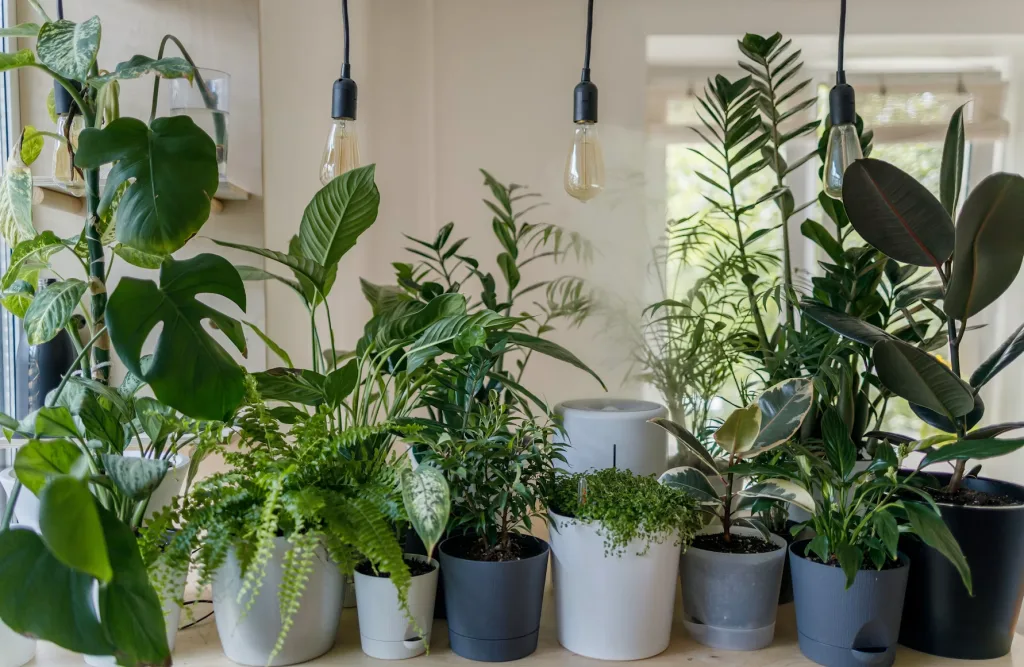
Boosting Mood With Greenery
Living elements do much more than improve aesthetics. They change how an indoor environment feels to occupants. Soft textures reduce visual stress in minimalist offices.
Natural elements promote relaxation after long work hours. Placing a small desktop option creates a calming focal point.
Green tones complement most color palettes seamlessly. They bridge the gap between outdoor environments and indoor comfort. Your living spaces feel more connected to nature with these additions. Subtle color variations offer continuous visual engagement throughout the year.
Integrating nature into rooms creates an inviting atmosphere. Careful selection of species and containers establishes a balanced environment.
Your home gains character through changing textures and organic forms. Simple maintenance routines preserve this beauty for years to come.