Many homeowners assume that serious home repairs happen suddenly. In reality, some of the most expensive problems often begin as small issues that appear harmless at first.
The challenge is that minor concerns are easy to ignore when they don’t immediately affect daily life. Unfortunately, delaying repairs can sometimes allow damage to spread, leading to larger expenses and more complicated solutions.
Here are seven common home problems that often start small but become significantly more costly over time.
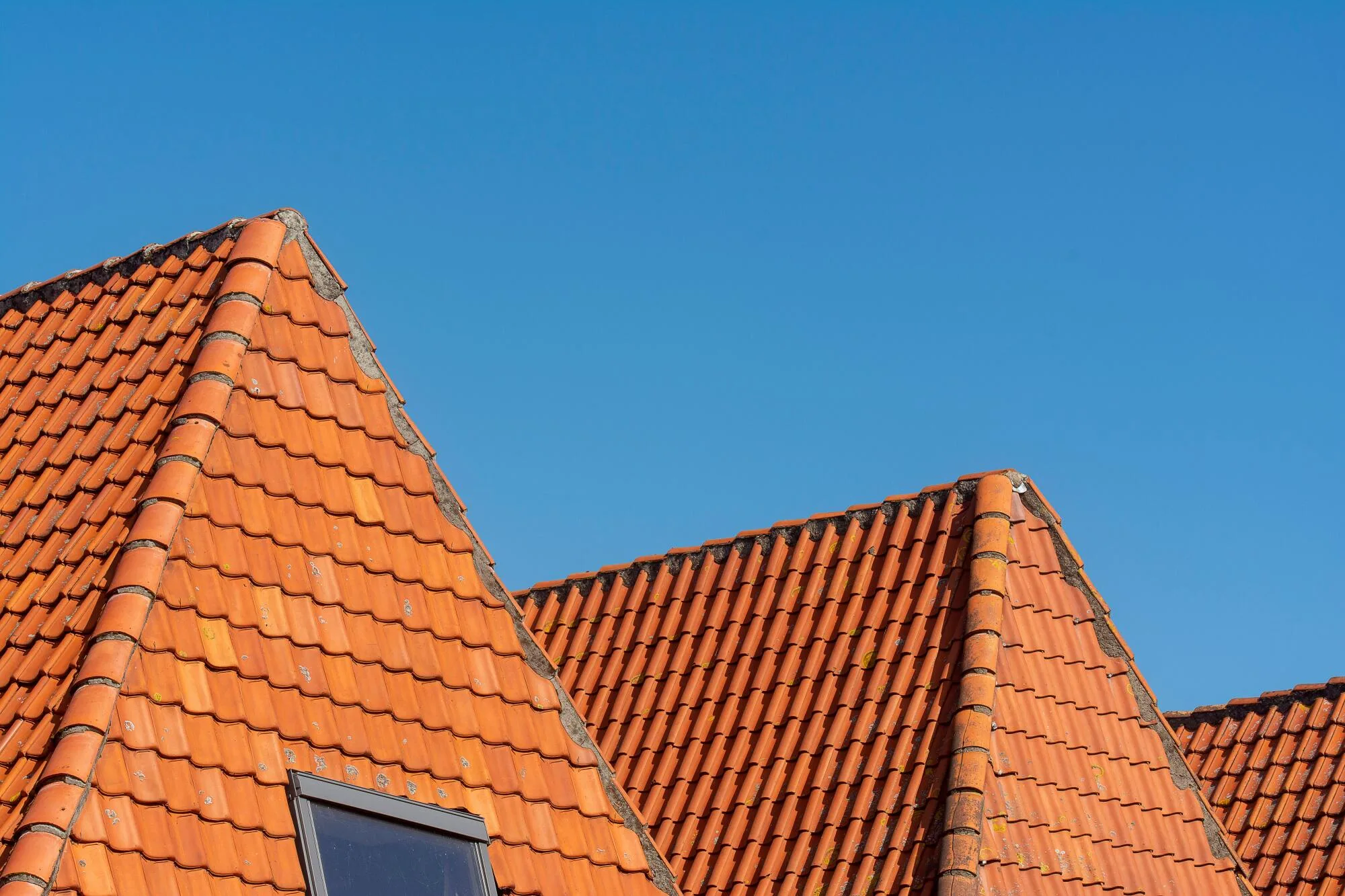
1. Minor Roof Damage
A missing shingle or small leak may not seem urgent, especially if there are no obvious signs of water entering the home.
However, even minor roofing issues can allow moisture to reach underlying materials. Over time, this may contribute to structural damage, mold growth, insulation problems, and interior repairs.
Addressing roofing concerns early is often far less expensive than dealing with extensive water damage later.
2. Electrical Issues
Many homeowners ignore small electrical warning signs because everything still appears to be functioning normally.
Common examples include:
- Flickering lights
- Frequently tripped breakers
- Warm outlets
- Buzzing sounds
- Inconsistent power
While these issues may seem minor, they can indicate larger electrical concerns that should not be ignored.
Companies like Sagan Electrics often help homeowners address electrical problems before they develop into more serious safety risks or costly repairs.
3. Plumbing Leaks
A slow drip under a sink or a small leak behind a fixture may not seem significant initially.
However, water has a way of causing damage gradually. Over time, even minor leaks can affect flooring, drywall, cabinetry, and structural materials.
Because many plumbing issues remain hidden for long periods, they often become much more expensive by the time they are discovered.
4. Poor Ventilation
Ventilation problems are frequently overlooked because their effects develop slowly.
Insufficient airflow can contribute to:
- Excess humidity
- Mold growth
- Indoor air quality concerns
- Increased energy costs
- Premature wear on home systems
Improving ventilation early can help prevent a variety of long-term issues throughout the home.
5. Foundation Cracks
Small cracks in a foundation may seem like a normal part of a home’s aging process.
In some cases they are harmless, but larger structural concerns can also begin with relatively minor warning signs.
Because foundation repairs often become more expensive as damage progresses, early evaluation is usually recommended whenever significant changes are noticed.
6. Exterior Wear and Damage
Fading materials, damaged siding, deteriorating caulking, and other exterior issues may appear cosmetic at first.
However, the exterior serves as a home’s first line of defense against weather exposure.
When damage is left unaddressed, moisture and environmental conditions can affect deeper structural components, resulting in more extensive repairs.
Routine inspections often help identify concerns before they become larger problems.
7. Delayed Maintenance
Perhaps the most expensive problem of all is delaying maintenance altogether.
Many homeowners postpone repairs because the issue does not seem urgent at the time. Unfortunately, small problems rarely improve on their own.
Regular maintenance helps identify concerns early, reduce unexpected expenses, and protect long-term property value.
Homeowners looking for additional maintenance tips, renovation guidance, and contractor-related resources can see more here when planning future home improvement projects.
In many cases, the cost of prevention is significantly lower than the cost of repair.
Small Problems Rarely Stay Small Forever
Homeownership comes with ongoing responsibilities, and many of the most expensive repairs begin as issues that initially seem minor.
Whether the concern involves roofing, plumbing, electrical systems, ventilation, or exterior maintenance, addressing problems early often saves time, money, and frustration.
The most effective approach is not waiting for problems to become emergencies, but recognizing them while they are still manageable.