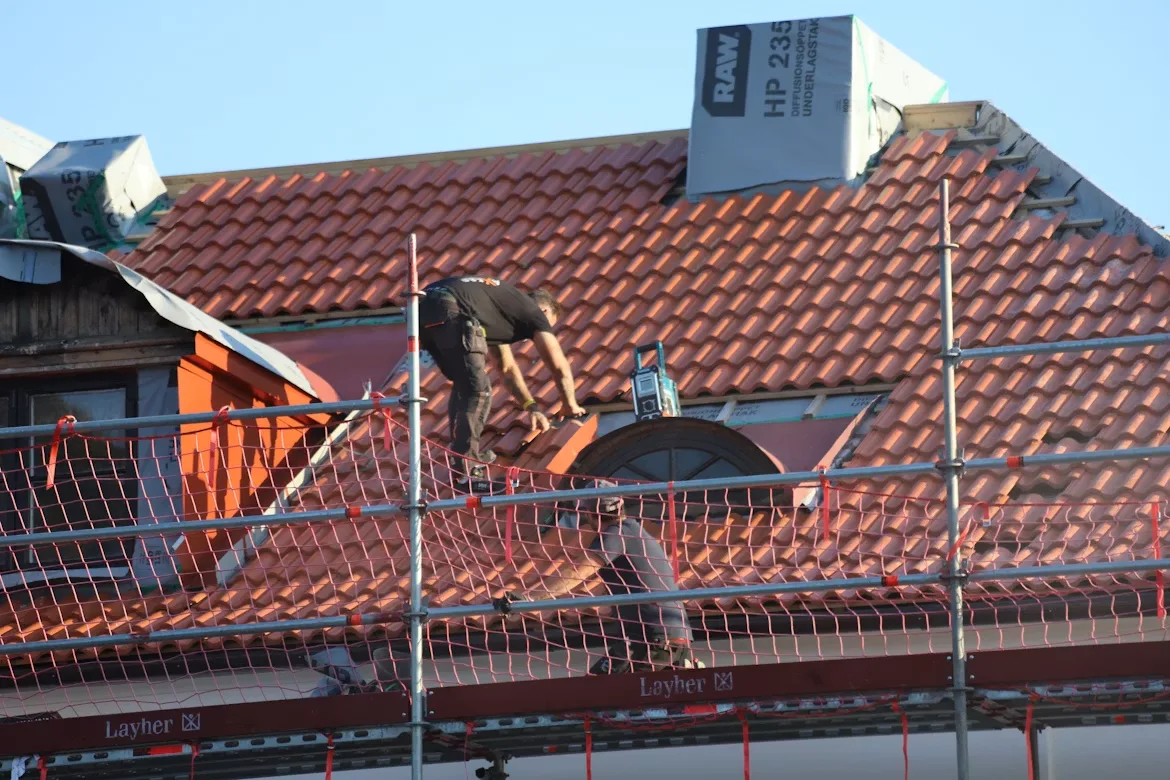
A sturdy home relies heavily on a solid roof structure. Keeping it in top shape protects your entire property from harsh weather elements.
Regular maintenance saves money on major repairs down the road. Simple preventative steps keep your property safe and dry year-round.
Inspect Your Shingles Regularly
Wind and rain take a heavy toll on roofing materials throughout the year. Homeowners should look for cracked, loose, or missing pieces after big storms. Finding these issues early prevents water from leaking into the wooden framework beneath.
Sunlight can damage asphalt shingles by drying them out over many years. Look closely for missing granules that pile up in the yard. Shingles that curl at the edges mean it is time for a replacement.
Walk around your property with a pair of binoculars to check higher spots safely. Safe viewing from the ground avoids the danger of climbing tall ladders – it keeps you entirely safe. This easy habit helps track changes before severe weather seasons arrive.
Clear Your Gutters and Downpipes
Leaves and twigs quickly block the pathways designed to carry rain away. Clogged drainage channels force water to back up under the bottom shingles. This standing water slowly rots the wooden edges of your roofline.
Regular cleaning keeps water flowing away from the house foundations. A dependable Hanover roofing contractor, or one from any other area, can handle this chore safely if you dislike heights. Professional help protects your property from water pooling problems.
Check your skylights and roof vents whenever you clear out the gutters. These fixtures often develop small gaps in their sealant as seasons change. Fixing these minor seal issues keeps your home dry throughout the wet months.
Trim Overhanging Tree Branches
Trees offer great shade but pose a risk to nearby buildings. Strong winds scrape heavy limbs against the delicate surface materials of the roof. Strong gusts can break limbs, causing them to crash through the structure.
Keep branches trimmed back at least 6 feet from the roof edge. This distance stops squirrels and raccoons from jumping onto your home. Animals love to chew through flashing to build nests in warm attics.
Trimming branches increases the amount of sunlight hitting the roof surface. Better sunlight dries out damp areas where green moss likes to grow. Less shade means fewer leaves drop directly into your drainage channels.
Check Your Attic Ventilation
Heat builds up in enclosed upper spaces during hot summer months. Proper airflow prevents this heat from baking shingles from the underside. Trapped heat shortens the lifespan of even the toughest building materials.
Cold winter weather brings different airflow challenges to residential properties. Warm air from living spaces rises and meets cold roof boards. This meeting causes moisture condensation, leading to hidden mold growth.
An official educational maintenance guide suggests inspecting fixtures like roof vents and skylights regularly for clear signs of wear. Keeping these vent openings clear allows air to flow naturally without restriction. Balanced ventilation keeps temperatures even and protects the structure.
Address Minor Repairs Fast
Ignoring tiny leaks leads to expensive problems inside the house later. A government infrastructure report notes that delaying repairs after initial signs of failure causes severe damage to building envelopes and interior finishes. Small issues grow into massive headaches when left alone.
Fixing a single loose shingle takes very little time and effort. Leaving it open invites rain to rot the structural wood underneath. Spending a small amount on quick fixes protects your long-term budget.
Check the metal flashing around chimneys and valleys regularly. Flashing acts as a shield against water in high-risk areas. Replace rusted or loose metal to keep the barrier perfectly tight.
Look for Interior Water Stains
Water damage often shows up inside before you notice problems outside. Check your ceilings for dark spots or peeling paint after heavy rain. Discoloration indicates a leak that needs immediate attention.
Indoor warning signs appear in several clear ways throughout upper rooms. Check for these clear indicators during your regular home walkthroughs:
- Brown rings form on the ceiling drywall.
- Water droplets bead on attic rafters.
- Paint blisters along upper wall trim.
Trace the stains back to their source on the roof. Water travels along boards, so the leak might be further up the slope. Pinpointing the origin helps you patch the correct spot.
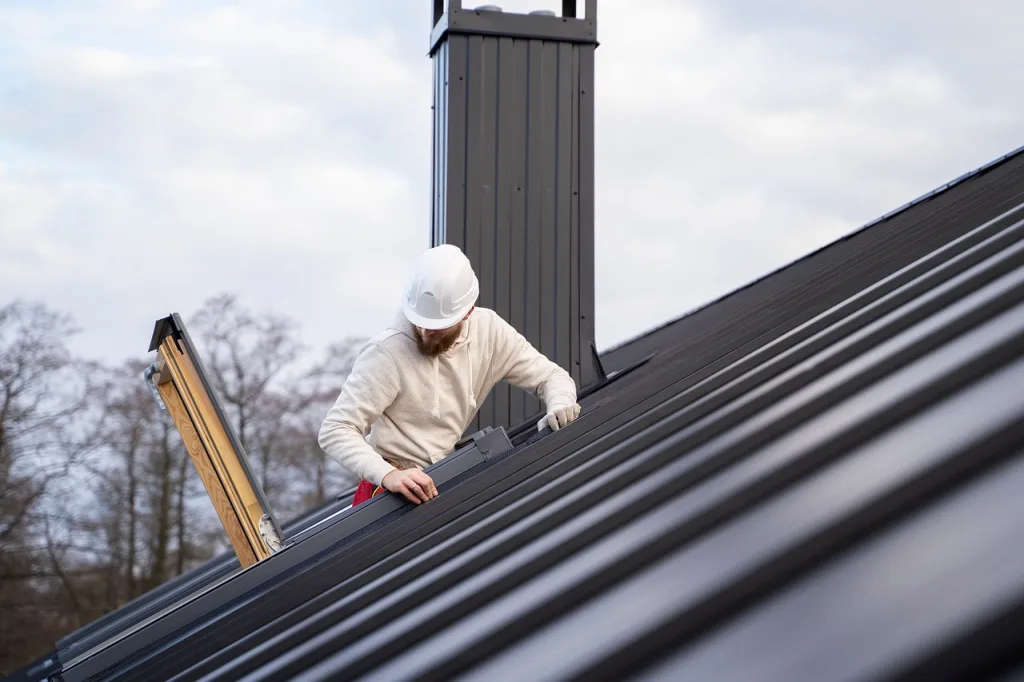
Taking care of your roof extends its life and keeps your home secure. Consistent attention prevents minor issues from turning into major expenses.
Set up a seasonal schedule to monitor your property regularly. A small investment of time keeps your roof solid for decades.