
Robert Mygardenandpatio: Complete Outdoor Living Guide
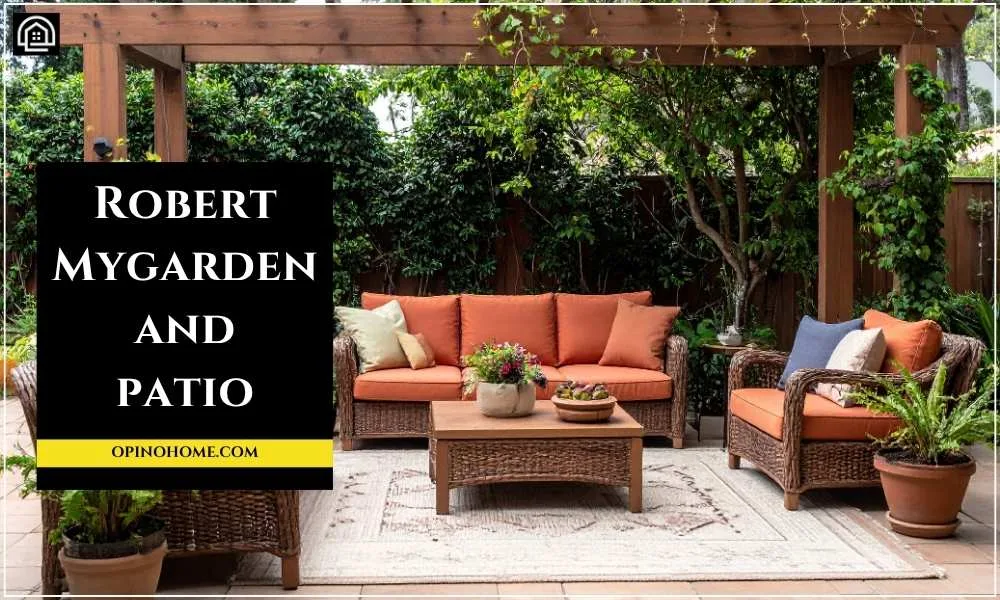
I still remember the first time I stood in my own backyard and realized it was doing absolutely nothing for me. The grass was fine. The fence was fine. But the space itself felt like an afterthought, not a room I actually wanted to spend time in. That feeling is exactly why so many homeowners end up searching for robert mygardenandpatio in the first place, and it’s exactly why I wanted to put together this guide.
I’m going to walk you through everything I’ve learned about outdoor design, patio planning, and garden care, using the same practical mindset that has made robert mygardenandpatio such a familiar name among people trying to upgrade their backyards. If you’re planning a bigger home project alongside your outdoor space, I’d also point you toward opinohome.com, where you’ll find plenty of additional home improvement resources worth exploring.
By the time you finish reading, you’ll have a clear roadmap for turning your own outdoor space into something you’re actually proud of, whether you’re starting from a blank yard or trying to fix one that never quite came together.
Why Robert Mygardenandpatio Resonates With So Many Homeowners
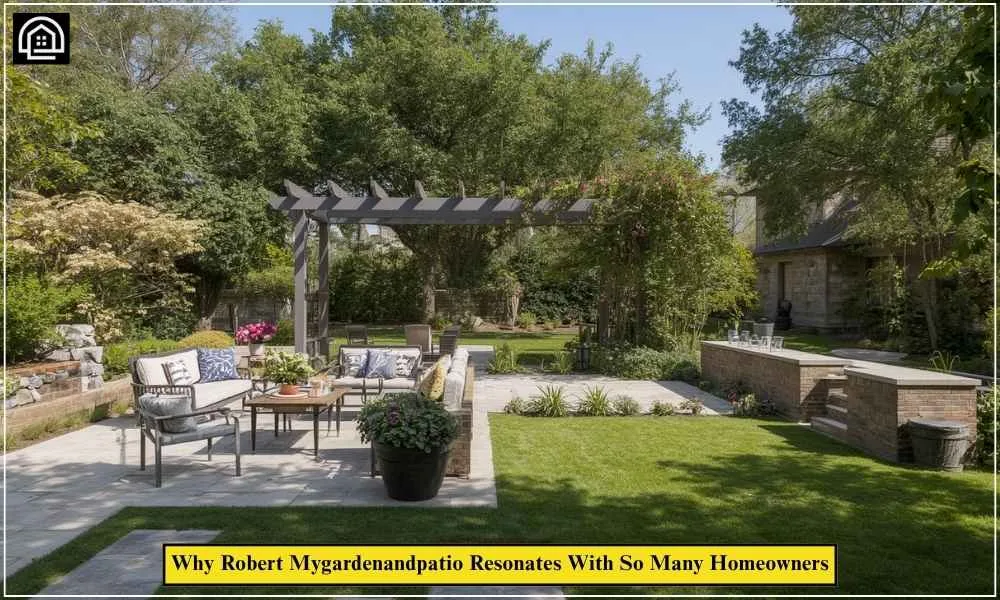
I think the reason robert mygardenandpatio keeps coming up in outdoor design conversations is pretty simple. People are tired of generic advice that doesn’t account for their actual yard, their actual climate, or their actual budget. They want guidance that feels grounded in real experience rather than a glossy magazine spread that has nothing to do with their life.
The themes connected with robert mygardenandpatio consistently come back to a few core ideas:
- Outdoor spaces should function as real extensions of the home, not decorative afterthoughts
- Design choices should match your climate, soil, and sun exposure instead of fighting against them
- Comfort and usability matter more than chasing every passing trend
- Small, well-planned spaces can outperform large, poorly planned ones
I’ve found that once homeowners start thinking this way, the whole process of planning a patio or garden becomes far less overwhelming.
Starting With a Plan, Not a Pinterest Board
Before I touch a single plant or piece of furniture, I always start with a plan. This is one of the biggest lessons tied to the robert mygardenandpatio philosophy, and it’s the one most beginners skip entirely.
Why Planning First Saves You Money
Jumping straight into purchases without mapping out your space leads to mismatched furniture, awkward walkways, and plants that fight your soil type. A simple sketch on paper, even a rough one, helps you avoid spending on items that won’t actually fit your layout once everything is in place.
Here’s what I always assess before making a single decision:
- How much direct sunlight the space receives throughout the day
- The natural slope or drainage pattern of the yard
- Your USDA hardiness zone for plant selection
- Wind exposure, especially for elevated patios or balconies
- The primary purpose of the space, whether that’s dining, lounging, or entertaining
Choosing the Right Patio Materials
Material choice shapes everything from how long your patio lasts to how it feels under bare feet on a summer evening.
- Concrete pavers remain one of the most popular and versatile choices, offering durability and a wide range of design flexibility
- Natural stone delivers timeless beauty and exceptional longevity, though it typically comes at a higher price point
- Wood decking feels warm underfoot and pairs naturally with garden surroundings, but needs regular sealing to hold up against weather
- Permeable pavers allow rainwater to filter into the ground naturally, reducing runoff and protecting your yard from erosion
I personally lean toward materials that age well rather than ones that look perfect on day one and start showing wear within a year.
Designing for Zones, Not Just One Big Space
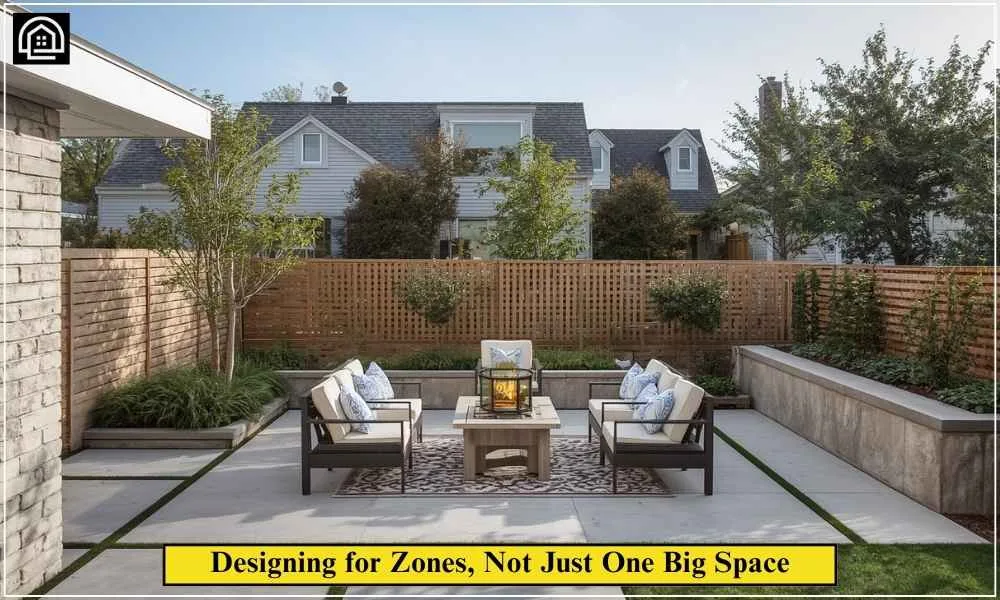
One shift I’ve made in my own outdoor planning is thinking in zones instead of treating the whole patio as a single block. Modern outdoor design increasingly separates spaces into distinct areas, each built around a specific purpose, rather than one large undefined slab.
A well-zoned backyard might include:
- A dining zone close to the kitchen for easy meal transitions
- A lounge zone with deeper seating for relaxing evenings
- A fire feature zone that draws people together after sunset
- A quiet corner with minimal furniture for reading or morning coffee
Defining these zones doesn’t always require walls or structures. Simple changes like a shift in flooring material, a low planter border, or a change in furniture grouping can do the job just as well.
Garden Planning That Actually Works
Gardening advice tied to robert mygardenandpatio tends to emphasize starting small. I’ve made the mistake of going too big too fast in my own early projects, and it almost always leads to burnout by midsummer once the watering and weeding catch up with you.
A Smarter Way to Approach Plant Selection
Most plants need at least six hours of sunlight daily to thrive, so matching your plant choices to your yard’s actual light pattern matters more than picking whatever looks good at the nursery. I always recommend starting with a small bed or a handful of containers before committing to a full garden overhaul.
A few principles I follow when selecting plants:
- Choose drought-resistant varieties if your region experiences dry summers
- Match root depth to your soil type, since shallow, sandy soil struggles to support deep-rooted plants
- Mix heights and textures for visual interest rather than uniform rows
- Group plants with similar water needs together to simplify maintenance
Lighting: The Most Overlooked Design Element
I genuinely believe lighting gets less attention than it deserves, yet it changes everything about how a space feels after the sun goes down.
Layered lighting tends to work best, combining several light sources rather than relying on one overhead fixture. String lights add ambiance, low path lighting improves safety, and accent spotlights can highlight a tree or architectural feature. The goal is a space that feels just as inviting at 9 p.m. as it does at 2 p.m.
Furniture That Fits Your Actual Life
It’s tempting to buy furniture based purely on looks, but I’ve learned the hard way that comfort and durability matter far more once the space is actually being used.
- Choose weather-resistant materials built to handle your specific climate
- Prioritize comfort for pieces meant for long evenings outside
- Leave breathing room between furniture groupings instead of overcrowding the space
- Consider modular pieces that can adapt from a quiet dinner to a larger gathering
Seasonal Maintenance for a Patio and Garden That Lasts
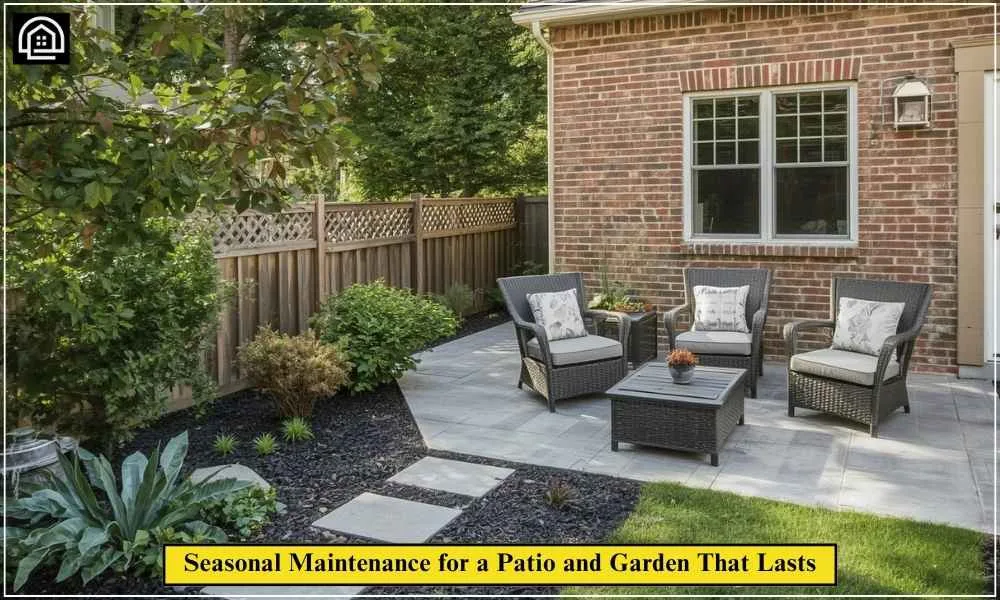
Outdoor spaces shift with the seasons, and keeping up with that rhythm is part of what separates a thriving backyard from one that slowly falls apart.
- Spring is the time for planting, cleaning surfaces, and preparing furniture after winter storage
- Summer calls for consistent watering, pest monitoring, and shade management during peak heat
- Autumn is best spent trimming plants back and preparing beds for colder weather ahead
- Winter often requires protecting furniture from snow and moisture, especially in regions with freeze-thaw cycles
If you’re tackling a larger renovation around the same time as your outdoor refresh, the step-by-step planning advice at Sherwin Williams Drift of Mist can help you sequence your budget across both projects without overspending in one area.
Small Yards Deserve Big Thinking
Not everyone has a sprawling backyard, and that’s genuinely fine. I’ve seen compact patios outshine massive ones simply because every inch was used with intention.
For smaller spaces, I recommend:
- Going vertical with wall-mounted planters or trellises to add greenery without losing floor space
- Choosing multi-functional furniture, like benches with hidden storage underneath
- Keeping the color palette and materials consistent to avoid a cluttered feel
- Using a single, well-chosen focal point instead of competing decorative elements
Sustainability Without Sacrificing Style
Sustainable design has moved from a nice-to-have into a genuine standard, and it doesn’t have to come at the cost of aesthetics.
- Native plantings require less water while supporting local pollinators
- Smart drip irrigation systems deliver water directly to roots, cutting down on waste
- Solar-powered lighting reduces electricity use without sacrificing ambiance
- Permeable surfaces reduce runoff and protect surrounding soil from erosion
Common Mistakes I See Homeowners Make
After spending so much time around outdoor design conversations connected to robert mygardenandpatio, a handful of mistakes show up again and again.
- Skipping the planning stage and buying furniture before measuring the space
- Choosing plants based on appearance alone, without checking sun and soil compatibility
- Overcrowding a small patio with too many pieces instead of embracing open space
- Ignoring drainage until water starts pooling near the foundation
- Treating outdoor lighting as an afterthought instead of part of the original design
Final Thoughts
What I keep coming back to, after all the projects I’ve worked through, is that a great outdoor space isn’t about spending the most money or chasing the newest trend. It’s about understanding your yard, planning with intention, and building a space that actually fits how you live. That mindset is at the heart of everything connected to robert mygardenandpatio, and I hope this guide gives you a clear starting point for turning your own backyard into a space you genuinely look forward to using, season after season.