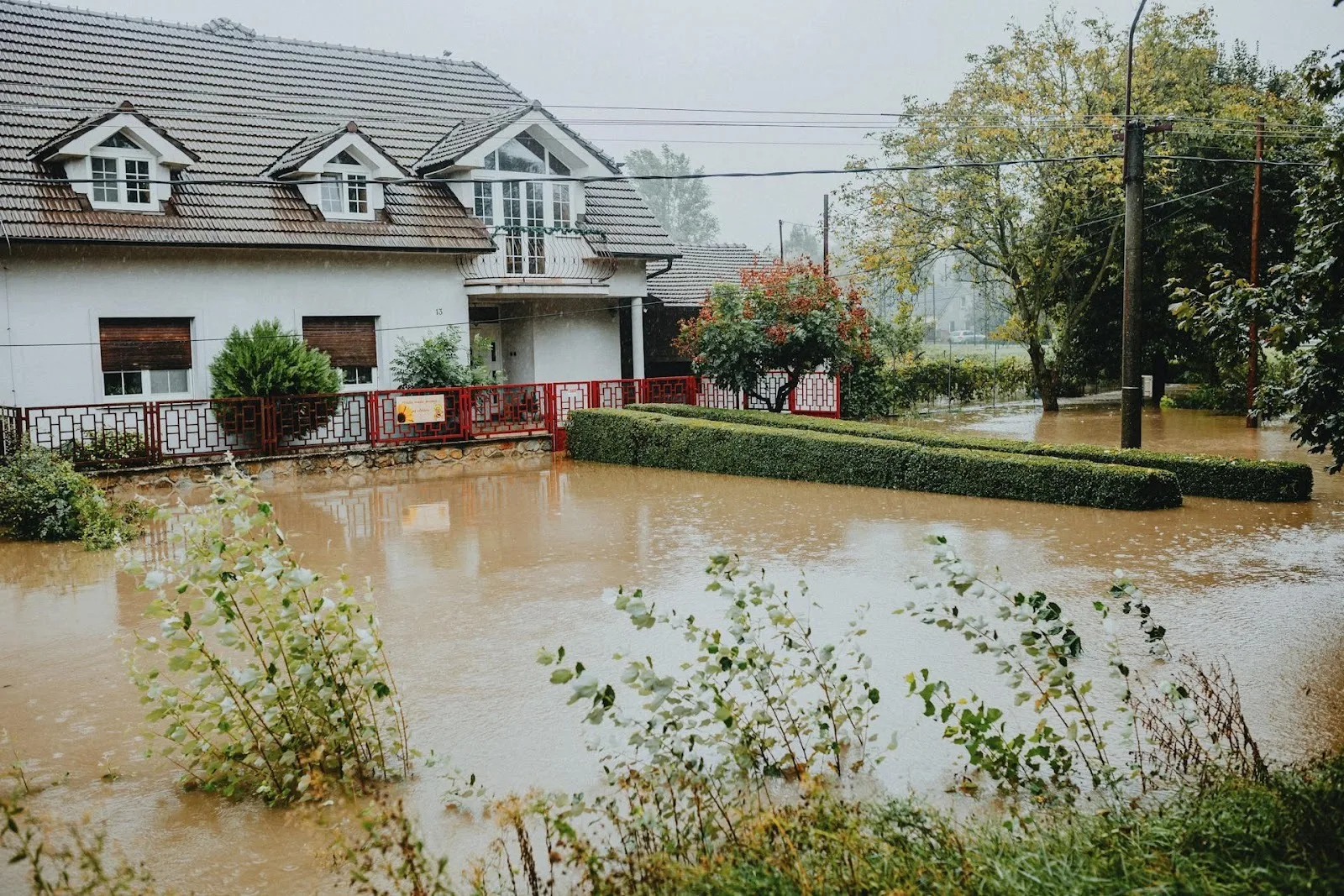
Water damage doesn’t wait. A leak, a burst pipe, heavy rain – it can all take a toll on your home. Floors feel damp, walls show stains, and that clean, comfortable space starts feeling off.
It’s not just about what you can see. Moisture spreads fast. It gets into materials, weakens structures, and creates problems that grow if you leave them alone.
That’s where most people feel stuck. You know something needs fixing, but you’re not sure where to start or how serious it really is.
We’re here to help you with that.
Let’s go through the steps that help you recover, repair, and move forward without making things worse.
Identify the Source of the Water Problem First
When water damage shows up, the first instinct is to clean it. But before that, you need to know where it came from.
A pipe leak, a roof issue, or an appliance failure all lead to different fixes. If you don’t stop the source, the problem doesn’t go away. It just keeps coming back.
So take a closer look. Check under sinks, behind appliances, around ceilings, and near walls. Look for active leaks or areas that feel damp.
Once you find the source, deal with it right away. Shut off water if needed or call for repairs.
Hire Professional Restoration Services
Water damage isn’t always visible on the surface. What looks like a small issue can spread deeper into walls and floors.
That’s where professional help makes a difference.
Companies like AIMGREEN RESTORATION focus on water damage cleanup and recovery. They use equipment designed to remove moisture from hidden areas, not just what you can see.
They also handle drying and help reduce the risk of mold. That’s important because moisture left behind can lead to bigger problems later. Working with professionals gives you clarity. You know what needs to be done and how to handle it properly.
Instead of guessing or missing something, you have a process in place that covers the full extent of the damage.
Remove Standing Water as Quickly as Possible
Standing water causes severe damage. It seeps into floors, walls, and furniture. The longer it sits, the harder it becomes to fix the damage.
So, you need to be quick here. Start removing water as soon as you can. Use a pump, a wet vacuum, or even simple tools if that’s what you have.
The goal is to stop water from spreading further.
Even a short delay can make things worse. Acting quickly helps protect what you can still save.
Dry Out the Affected Areas Thoroughly
Once the visible water is gone, the job isn’t done. Moisture stays behind in materials. Walls, flooring, and insulation can all hold water inside.
If you skip proper drying, problems show up later. Mold, odors, and structural damage can follow. Use fans and dehumidifiers to pull moisture out of the space. Keep air moving. Open windows if conditions allow.
This step takes time. It’s not something you rush.
The goal is to make sure everything is completely dry, not just the surface.
Check for Structural Damage
Water doesn’t just affect what you see. It can weaken parts of your home. Wood can swell or start to rot. Drywall can soften. Flooring can shift or warp.
So after drying, take time to inspect everything carefully.
Look for areas that feel soft, uneven, or unstable. Pay attention to walls and floors that don’t feel the same as before. If something seems off, it likely needs repair.
Catching this early helps prevent bigger issues later.
Remove and Replace Damaged Materials
Not everything recovers after water damage. Some materials hold onto moisture even after drying. Carpets, insulation, and certain types of drywall can trap water inside. Over time, that leads to odors or mold.
So you have to make a call. If something looks damaged, smells off, or feels weak, it’s better to remove it. Holding onto it usually creates more problems later.
Replacing those materials gives you a clean start. The space becomes safer and easier to restore properly.
It might feel like extra work at first, but it prevents bigger issues down the line.
Clean and Sanitize the Area
Once damaged materials are handled, cleaning becomes the next step. Water doesn’t just leave moisture behind. It can carry dirt, bacteria, and other contaminants.
So don’t skip this part.
Clean all affected surfaces thoroughly. Floors, walls, and any items that stayed in contact with water need attention.
Use proper cleaning solutions. Make sure everything feels fresh again, not just dry.
This step helps bring the space back to a livable condition. It’s where the environment starts feeling normal again.
Watch for Signs of Mold Growth
Mold can show up quickly after water damage. You might notice a musty smell first. Then small spots on walls or ceilings. Sometimes it stays hidden in corners or behind surfaces.
That’s why you need to stay alert.
Check areas that stayed damp the longest. Look at corners, baseboards, and places with limited airflow.
If you notice anything unusual, deal with it early. Mold spreads fast if left alone.
Catching it in the early stage keeps the problem contained and easier to manage.
Repair and Restore the Affected Areas
This is where things start coming together. Once everything is clean and dry, you can begin repairs. Fix damaged walls, replace flooring, repaint surfaces, and bring the space back to its original condition.
Take your time here.
Focus on doing things properly instead of rushing to finish. Good repairs last longer and prevent repeat issues. As each part gets restored, the space starts feeling like home again.
It’s no longer about damage. It’s about rebuilding what was there.
Take Steps to Prevent Future Water Damage
After going through water damage once, prevention becomes important.
Start with simple checks. Look at plumbing regularly. Make sure your roof is in good condition. Check seals around windows and doors.
Drainage matters too. Water should move away from your home, not toward it.
These small steps reduce the risk of facing the same situation again.
You don’t need anything complicated. Just consistent attention to areas that could cause problems.
Water damage has a way of throwing everything off balance. Not just the space, but how you use it day to day.
But once you start working through it, you’ll begin to see what needs attention, what holds up, and what needs replacing.
By the time you’re done, the home isn’t just “fixed.” It’s been looked at more closely than before. Weak spots get addressed. Small issues don’t stay hidden anymore.
You’re not just restoring what was there; you’re making sure it holds up better the next time life throws something unexpected your way.