Before you buy or renovate, you may worry that a home hides hazards. Homes built before 1978 may have lead paint, and older materials may contain asbestos. Environmental testing can find these and other risks, such as mold and poor air quality.
Find out what may be hiding.
Key Reasons Environmental Testing Matters
Environmental testing is crucial for safety and peace of mind. It helps find hidden dangers in a property before you buy or renovate.
Identifying hidden hazards like lead, asbestos, and mold
Lead paint can hide under newer coats in an older home. Asbestos may be present in older building materials. Mold can grow in damp areas and remain out of sight.
A qualified environmental assessment can test for these hazards before a property renovation begins. Early testing can help you find contaminants before work disturbs them and creates health risks.
Preventing health risks during renovations
Environmental testing can find lead, asbestos, and mold before renovation work begins. Contractors can use the results to reduce exposure and plan removal. This helps protect workers and occupants from health risks.
Avoiding costly remediation surprises
Testing for mold, lead, asbestos, and other contaminants can reveal hazards before renovation work begins. Use the results to plan remediation and add likely costs to your budget. This due diligence can help limit surprise expenses and protect property value.
Ensuring compliance with environmental regulations
Compliance with environmental regulations is crucial for property owners. Laws exist to protect both people and the environment. These rules often cover the safe disposal of hazardous materials, like lead and asbestos.
Following these guidelines can prevent legal issues and costly fines.
Conducting environmental assessments helps verify compliance with all necessary laws. Inspecting a property also ensures proper handling of any discovered contaminants. Staying informed about local regulations can support sustainable renovation practices too.
This focus protects not just your investment but also public health and safety.
Common Environmental Tests to Consider
Common environmental tests can help you find hazards in your property. These tests check for harmful materials and pollutants. They are crucial for keeping spaces safe and healthy.
Learn more about what these tests can reveal and why they matter.
Lead and asbestos testing
Lead and asbestos testing is vital for safety in any property. Lead is harmful, especially to children. It can cause serious health problems if ingested or inhaled. Asbestos was often used in older buildings for insulation and fireproofing.
Breathing in asbestos fibers can lead to lung diseases.
Testing helps identify these hidden hazards before buying or renovating a property. Early detection makes it easier and cheaper to handle issues safely. Property owners can avoid risks that affect health, safety, and property value as they move forward with inspections for other contaminants or hazards. Homeowners with older painted surfaces often schedule a lead inspection at this stage, since results guide safe sanding, scraping, and demolition plans.
Radon and indoor air quality testing
Radon testing checks for a gas that can harm health. It comes from the ground and can enter homes. High radon levels increase the risk of lung cancer. Testing is easy, and it helps ensure safety.
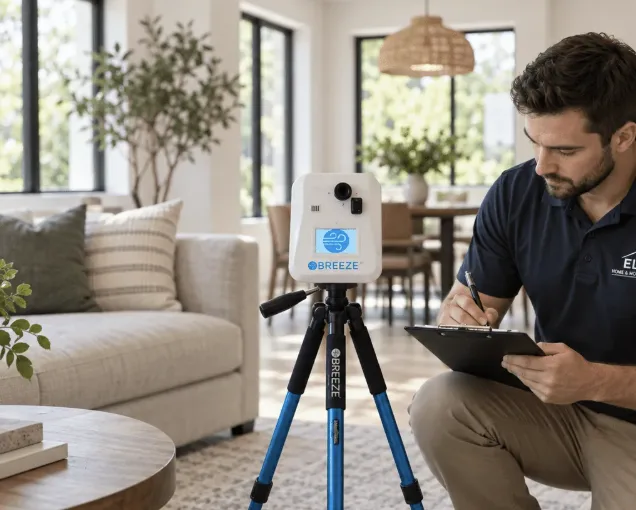
Indoor air quality testing looks at pollutants in the air inside buildings. This testing finds mold, dust, or chemicals that affect health. Poor air quality can lead to headaches or breathing problems.
Knowing these risks helps protect everyone in the space.
Soil and water contamination testing
Soil and water contamination testing helps find harmful substances in the ground and water. Contaminants can come from old industrial sites, landfills, or nearby farms. Testing soil checks for heavy metals like lead and other toxic chemicals.
Water tests look for bacteria, pesticides, and other pollutants.
These tests are essential before buying or renovating a property. They ensure the safety of occupants and protect health. Unseen dangers can lead to serious issues later on if not detected early.
By knowing the risks, you can make better decisions about a property.
Benefits of Conducting Environmental Testing
Conducting environmental testing keeps people safe. It also protects your property’s value and makes it easier to sell in the future.
Protecting occupant and worker safety
Environmental testing helps keep people safe. It finds harmful materials like lead, asbestos, and mold. These substances can cause serious health problems. Testing before renovations lowers the risks for workers and residents.
Safe air quality is also crucial during property work. Good tests check for contaminants in the air. This ensures everyone breathes cleaner air while doing repairs or updates. Protecting health should always be a priority in any property project.
Safeguarding your financial investment
Environmental testing helps you protect your money. Hidden hazards can lead to expensive problems later on. If a property has mold or asbestos, the cost of removing these issues can be high.
Coastal properties face added moisture exposure, so buyers comparing areas, such as those reading a guide to Malibu’s neighborhoods, should budget for mold and water testing early.
Testing before buying saves you from unexpected expenses related to remediation.
Investing in environmental assessments makes sure the property meets safety standards as well. This keeps your investment secure and can even increase its value if it is safe and healthy for future owners.
Next, let’s discuss some common environmental tests to consider.
Enhancing property resale value
Testing for environmental hazards boosts property resale value. Buyers want safe homes, free from lead, asbestos, and mold. Homes with clear environmental tests attract more offers.
A clean report shows the property is well-maintained and ready for new owners.
Investing in these tests protects your money too. If you find problems early, you can fix them before selling. This proactive approach saves costs later on. In turn, it helps maintain or increase the property’s worth in a competitive market.
Conclusion
Environmental testing is key before buying or renovating a property. It helps uncover hidden dangers like mold and lead. This testing protects your health and saves you money in the long run.
Knowing the environmental risks ensures you make smart choices. A safe, clean property boosts its value too.